-
Shop
- Adidas
- Advanced Technologies
- AI Skills Mastery 2026 Collection
- Best-Sellers
- Car Accessories
- Dating & Social Skills
- Digital Resources
- AI Skills
- Beauty
- Budgeting & Saving
- Car Buying & Ownership
- Cozy Feast Collection
- Electronics & Technology
- Entrepreneurship & Business Growth
- Financial Education
- Financial Independence
- Financial Mindset & Psychology
- Goal Setting
- Hobbies
- Home Styling & Organization
- Leadership
- Mindfulness
- Mindset
- Parenting & Child Development
- Personal Style & Fashion
- Pet Lifestyle & Wellness
- Positive Thinking
- Sleep Improvement
- Smart Life with AI
- Stress Management & Relaxation
- Travel Planning
- Yoga & Fitness
- Yoga & Mind-Body Practices
- Education & Learning
- Family & Parenting
- Fashion
- Furniture
- Gadgets
- Health & Beauty
- Health & Wellness
- Home & Garden
- Jewelry
- Kids & Babies
- Kitchen
- Kitchen Best-Sellers
- Nike
- Patio, Lawn & Garden
- Personal Growth
- Pet Care
- Pet Supplies
- Pets
- Sport & Outdoors
- Travel
- Wealth
- YouTube Shorts Best-Sellers
- Popular
- Best deals
Debt Payment Budgeting: Minimums Plus an Extra Plan

How much should you budget for paying debt payments?
A practical starting point is to budget enough to cover every minimum payment, then add a dedicated “extra” amount to accelerate payoff. Minimums keep accounts current; the extra is what shortens the timeline and reduces interest costs.
Answer
Most budgets work best when debt payments are treated like a fixed, non-negotiable bill. Begin by listing each debt (credit cards, personal loans, student loans, auto loans) and totaling the minimum payments due each month. That total is the baseline you must budget to avoid late fees, penalty APRs, and credit damage.
Next, decide how much additional cash you can reliably commit beyond the minimums. A common approach is to aim for 5%–15% of take-home pay toward extra debt payoff, but the right number depends on housing costs, income stability, and whether you’re also building a small emergency fund. If money is tight, even $25–$100 extra monthly can make a noticeable difference over time—consistency matters more than a big one-time payment.
To find your personal target, walk through your “four walls” first: housing, utilities, transportation, and groceries. Then fund essentials like insurance and any required savings (especially a starter emergency cushion). Whatever is left becomes your payoff power. If the leftover is small, look for quick wins: cancel or pause nonessential subscriptions, negotiate bills, reduce dining out temporarily, or sell unused items to create a one-time lump-sum payment.
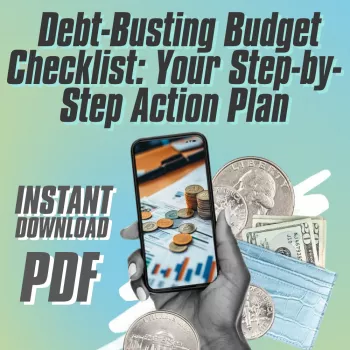
Once you set the number, automate it. Schedule minimums plus your extra payment right after payday so it doesn’t get absorbed by other spending. If your income varies, set minimums on autopay and sweep any surplus at month-end to your highest-interest debt (avalanche) or smallest balance (snowball) to build momentum. For a step-by-step way to map payments into a workable plan, see the debt-busting budget checklist here: https://senselina.com/guide-debt-busting-budget-checklist-pay-off-debt/.
FAQ
Should you build an emergency fund while paying off debt?
Yes—many people start with a small starter fund (often $500–$1,000) to avoid new debt when surprises hit. After that, prioritize high-interest debt while continuing to save gradually, especially if income is unstable.
Recommended for you
Montessori Wooden Arithmetic Board for Ages 3–7
Jul 4, 2026













Leave a comment