-
Shop
- Adidas
- Advanced Technologies
- AI Skills Mastery 2026 Collection
- Best-Sellers
- Car Accessories
- Dating & Social Skills
- Digital Resources
- AI Skills
- Beauty
- Budgeting & Saving
- Car Buying & Ownership
- Cozy Feast Collection
- Electronics & Technology
- Entrepreneurship & Business Growth
- Financial Education
- Financial Independence
- Financial Mindset & Psychology
- Goal Setting
- Hobbies
- Home Styling & Organization
- Leadership
- Mindfulness
- Mindset
- Parenting & Child Development
- Personal Style & Fashion
- Pet Lifestyle & Wellness
- Positive Thinking
- Sleep Improvement
- Smart Life with AI
- Stress Management & Relaxation
- Travel Planning
- Yoga & Fitness
- Yoga & Mind-Body Practices
- Education & Learning
- Family & Parenting
- Fashion
- Furniture
- Gadgets
- Health & Beauty
- Health & Wellness
- Home & Garden
- Jewelry
- Kids & Babies
- Kitchen
- Kitchen Best-Sellers
- Nike
- Patio, Lawn & Garden
- Personal Growth
- Pet Care
- Pet Supplies
- Pets
- Sport & Outdoors
- Travel
- Wealth
- YouTube Shorts Best-Sellers
- Popular
- Best deals
Men’s Quick-Dry Long Sleeve Gym Tee: Fit, Care, Use
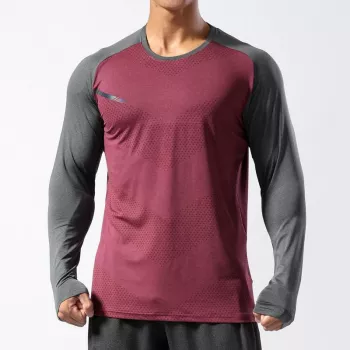
Men’s Quick Dry Long Sleeve Gym T-Shirt: Comfort That Keeps Up With Training
A long sleeve performance tee can make workouts feel smoother—especially when sessions run hot, the weather turns cool, or layering matters. A quick-dry top is built to manage sweat and heat changes so you can focus on reps, pacing, and form instead of a shirt that clings or gets heavy. Below is a practical guide to what makes a quick-dry long sleeve different, which features matter most, how to dial in fit, and how to keep the fabric performing wash after wash.
What Makes a Quick-Dry Long Sleeve Different
A quick-dry long sleeve gym shirt is designed around moisture management and movement. Instead of absorbing sweat and staying wet, it aims to move moisture off the skin so it can spread out and evaporate faster.
- Uses moisture-wicking fibers that move sweat off the skin so it can evaporate faster.
- Long sleeves add light coverage for chilly gyms, outdoor runs, and sun exposure while still aiming to stay breathable.
- Designed for movement with a training-friendly cut that avoids bunching during lifts, pulls, and presses.
- Better temperature control than heavy cotton when intensity spikes mid-workout.
Heat management matters during exercise—especially when workouts are intense or conditions are warm. For background on heat-related risk and why staying cool is important, see the Merck Manual overview of heat exhaustion and heatstroke.
Key Features to Prioritize for Training
Not all long sleeve “athletic” shirts feel the same once you’re sweating. These features tend to separate a training-ready tee from a basic top.
- Breathability: look for fabric that releases heat during intervals, circuits, and long sets.
- Stretch and recovery: fabric should flex during overhead work and return to shape after repeated wear.
- Chafe reduction: smooth seams and a comfortable neck help during rowing, running, and high-rep training.
- Odor and hygiene: performance synthetics dry quickly, which can help reduce the damp time that encourages odor.
- Hem length and sleeve stability: coverage should stay put during squats, pull-ups, and dynamic movements.
Performance checklist for a long sleeve gym tee
| Feature | Why it matters | Quick way to evaluate |
|---|---|---|
| Moisture wicking | Helps sweat move away from skin for faster drying | Fabric feels less clingy when damp |
| Breathable build | Improves comfort during high output sessions | Heat doesn’t “trap” under the shirt |
| 4-way stretch feel | Supports range of motion for lifting and mobility | Reaches overhead without pulling at torso |
| Comfort seams | Reduces irritation on runs and rows | No rubbing at underarm/neckline |
| Easy care | Maintains performance through frequent washing | Dries fast and keeps shape |
Odor is often less about “sweating too much” and more about sweat interacting with bacteria on skin and fabric. For a helpful overview of how body odor works, Cleveland Clinic explains common causes and treatment basics.
Fit and Sizing: Getting the Right Feel
Quick-dry fabric performs best when it can move with you. The goal is a fit that stays stable during dynamic movement without feeling restrictive.
- Athletic fit: close enough to move with the body but not so tight that it restricts breathing or shoulder movement.
- Layering room: if worn over a base layer, consider a slightly roomier fit through chest and arms.
- Sleeve length: cuffs should sit comfortably without sliding into the palm during lifts.
- Torso length: hem should stay down when arms are raised; this matters for pull-ups and overhead presses.
- If between sizes: choose based on priority—snug for running and conditioning; relaxed for lifting and casual wear.
A quick self-check: do 10 slow overhead reaches, a deep squat, and a few push-ups. If the collar shifts uncomfortably, the hem rides up, or the sleeves twist, sizing or cut may need adjustment.
When to Wear It: Training and Everyday Scenarios
If you train at home, small upgrades can make routines easier to stick with. For example, Magnetic Hooks can help organize resistance bands, jump ropes, or towels on a metal rack or cabinet—simple, but it keeps gear accessible and reduces clutter around your training space.
Care Tips to Keep Quick-Dry Performance
Good hygiene and laundry habits help reduce germs and lingering smells in frequently used athletic items. The CDC offers general health guidance that reinforces why cleanliness matters in shared or high-contact environments; see its hygiene-focused resource on preventing recreational water illnesses for broader context on staying clean around active settings.
Product Spotlight: Men’s Quick Dry Long Sleeve Gym T-Shirt
If you want a straightforward training top that handles sweat and layering without overcomplicating your kit, the Men’s Quick Dry Long Sleeve Gym T-Shirt is built for active comfort. The quick-dry construction is suited for gym sessions and outdoor training, while long sleeves add coverage without relying on heavy layers.
At-a-glance details
| Item | Value |
|---|---|
| Product | Men’s Quick Dry Long Sleeve Gym T-Shirt |
| Price | 32.82 USD |
| Availability | In stock |
| Best for | Training, layering, quick-dry comfort |
FAQ
Is a quick-dry long sleeve comfortable for high-intensity workouts?
Yes—when the fabric wicks moisture and releases heat well, it can feel noticeably less clingy than heavier materials. Long sleeves can still feel light if the build is breathable and designed for movement.
Should a gym long sleeve fit tight or loose?
An athletic fit usually works best: close enough to move with you, but not restrictive through the chest and shoulders. If you’re between sizes, go snug for running/conditioning and slightly relaxed if you plan to layer or prioritize lifting comfort.
How do you wash a quick-dry gym shirt to reduce odor?
Wash it soon after training, skip heavy fabric softeners, and use cool or warm water. Turning it inside out and air drying (or tumble drying on low heat) helps protect the fabric and keep it fresher over time.















Leave a comment