-
Shop
- Adidas
- Advanced Technologies
- AI Skills Mastery 2026 Collection
- Best-Sellers
- Car Accessories
- Dating & Social Skills
- Digital Resources
- AI Skills
- Beauty
- Budgeting & Saving
- Car Buying & Ownership
- Cozy Feast Collection
- Electronics & Technology
- Entrepreneurship & Business Growth
- Financial Education
- Financial Independence
- Financial Mindset & Psychology
- Goal Setting
- Hobbies
- Home Styling & Organization
- Leadership
- Mindfulness
- Mindset
- Parenting & Child Development
- Personal Style & Fashion
- Pet Lifestyle & Wellness
- Positive Thinking
- Sleep Improvement
- Smart Life with AI
- Stress Management & Relaxation
- Travel Planning
- Yoga & Fitness
- Yoga & Mind-Body Practices
- Education & Learning
- Family & Parenting
- Fashion
- Furniture
- Gadgets
- Health & Beauty
- Health & Wellness
- Home & Garden
- Jewelry
- Kids & Babies
- Kitchen
- Kitchen Best-Sellers
- Nike
- Patio, Lawn & Garden
- Personal Growth
- Pet Care
- Pet Supplies
- Pets
- Sport & Outdoors
- Travel
- Wealth
- YouTube Shorts Best-Sellers
- Popular
- Best deals
Hot & Cold Compress Eye Mask: De-Puff or Relax Fast
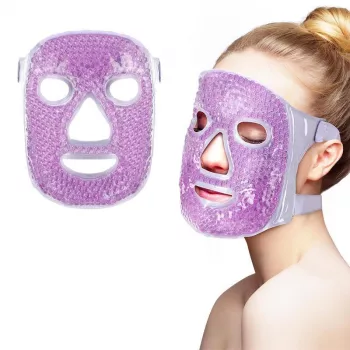
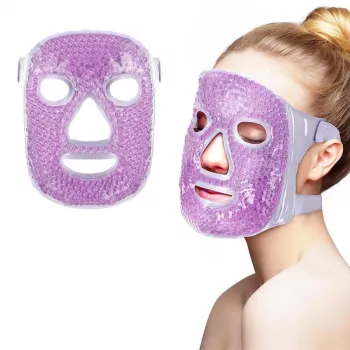
Hot and Cold Compress Beauty Mask: A Simple Temperature-Therapy Ritual for the Eye Area
A hot and cold compress beauty mask adds easy temperature therapy to a skincare routine—cooling to help de-puff and refresh, and warming to relax and soften the feeling of tight, tired skin. Used for a few minutes at a time, it can support a calmer-looking eye area and a more comfortable at-home self-care ritual.
What a hot and cold compress mask does
Temperature therapy is all about controlled comfort. A dual-use compress mask gives you two quick options—cooling or warming—without adding complicated tools to your counter.
- Provides two modes of use: cooling for a refreshed, less puffy look; warming for a soothed, relaxed feel.
- Targets the delicate eye and upper-cheek area where swelling and tension often show first.
- Pairs well with simple routines: cleanse, compress, then moisturize or apply eye cream.
- Useful for screen-time fatigue, morning puffiness, and post-work wind-down moments.
For general guidance on safe temperature therapy, see Mayo Clinic’s overview of cold therapy and Cleveland Clinic’s heat therapy guidance.
Cold compress moments: when cooling helps most
Cooling sessions tend to feel most useful when the goal is “wake up and de-puff.” If your eye area looks swollen in the morning or feels overworked after hours on screens, a brief chill can be a fast reset.
- Morning puffiness: brief cooling can help the area look less swollen and more awake.
- After a long day: cooling can feel relieving when eyes feel heavy or overstimulated.
- Warm weather refresh: a chilled mask can feel especially comfortable in summer.
- Quick reset before makeup: cooling can help reduce the look of under-eye puffiness for a smoother base.
- Best practice: keep sessions short and comfortable; stop if numbness or discomfort occurs.
For gentler cooling, chilling in the refrigerator is often more comfortable than freezer-level cold. If it feels too intense, place a thin cloth layer between the mask and skin and shorten the session.
Warm compress moments: when gentle heat feels best
Warmth is the cozy option—great when the main goal is relaxation and comfort. Gentle heat can make the brow and eye area feel less tight, especially as part of a wind-down routine.
- Relaxation and tension relief: warmth can help soften the sensation of tightness around the brow and eye area.
- Night routine: a warm compress can feel calming before moisturizer and sleep.
- Dry-feeling eye area (comfort-focused): warmth can feel soothing, especially in dry indoor air.
- Best practice: use warm—not hot—temperature to avoid irritating delicate skin.
When using warmth near the eyes, keep it comfortably warm and avoid any pressure on the eyeballs. For patient-oriented guidance related to eyelid comfort routines, the American Academy of Ophthalmology’s eye health resources can be a helpful reference.
Hot vs. cold at a glance
Choosing a temperature is usually about what you want to feel (or see) right now. Cold is typically the pick for visible puffiness and a refreshed sensation. Warm is often the choice for relaxation and a comfort-first routine.
- Choose cold for visible puffiness and a refreshed feel; choose warm for relaxation and a comfort-focused routine.
- If unsure, start cooler and shorter, then adjust based on comfort.
- Avoid extreme temperatures; gentle, consistent use is safer than very hot or very cold sessions.
Choosing the right temperature for common needs
| Goal | Cold compress | Warm compress | Helpful tips |
|---|---|---|---|
| Reduce the look of puffiness | Often preferred | Sometimes soothing but less targeted | Use 5–10 minutes; keep a thin cloth layer if very cold |
| Feel more refreshed in the morning | Great option | Optional | Chill in the fridge (not freezer) for a gentler cool |
| Unwind after screen time | Comforting | Comforting | Pick the temperature that feels best; keep lights low |
| Relax tight-feeling skin | Less common | Often preferred | Aim for warm, not hot; test on wrist first |
| Pre-skincare ritual | Helps de-puff before eye cream | Feels softening before moisturizer | Follow with hydration to seal in comfort |
How to use the mask safely and comfortably
The skin around the eyes is delicate, so comfort-first rules matter. Think “gentle contact, gentle temperature, short sessions.”
Features to look for in a temperature therapy beauty mask
Care and cleaning
Who it’s for (and who should be cautious)
Product picks (in stock)
- Hot and Cold Compress Beauty Mask ($8.51) — a budget-friendly option for quick cooling or warming sessions.
- Magnetic Hooks ($5.97) — handy for keeping a headband, robe, or small toiletry bag within reach near a vanity or mirror (on suitable metal surfaces).
- Cute Ceramic Cat Face Sauce Dish – Creative Small Condiment Plate ($10.51) — a small dish that can double as a catchall for hair ties, clips, or jewelry while you cleanse and moisturize.
Product details
| Item | Details |
|---|---|
| Name | Hot and Cold Compress Beauty Mask |
| Price | $8.51 |
| Availability | In stock |
| Product page | https://senselina.com/hot-and-cold-compress-beauty-mask/ |
FAQ
How long should a hot or cold compress mask be used at one time?
Aim for about 5–10 minutes per session, then take a break before repeating. Stop sooner if you notice numbness (too cold), stinging, or any overheating or redness.
Should the mask be chilled in the fridge or freezer?
The fridge is usually the gentler option for the delicate eye area. Freezer-level cold can feel too intense, so if you do use it, test the temperature first and consider a thin cloth barrier.
Can a warm compress be used around the eyes safely?
Yes—when it’s warm (not hot), used briefly, and placed with light contact rather than pressure. Always test on your wrist first and avoid using it on irritated or broken skin.













Leave a comment