-
Shop
- Adidas
- Advanced Technologies
- AI Skills Mastery 2026 Collection
- Best-Sellers
- Car Accessories
- Dating & Social Skills
- Digital Resources
- AI Skills
- Beauty
- Budgeting & Saving
- Car Buying & Ownership
- Cozy Feast Collection
- Electronics & Technology
- Entrepreneurship & Business Growth
- Financial Education
- Financial Independence
- Financial Mindset & Psychology
- Goal Setting
- Hobbies
- Home Styling & Organization
- Leadership
- Mindfulness
- Mindset
- Parenting & Child Development
- Personal Style & Fashion
- Pet Lifestyle & Wellness
- Positive Thinking
- Sleep Improvement
- Smart Life with AI
- Stress Management & Relaxation
- Travel Planning
- Yoga & Fitness
- Yoga & Mind-Body Practices
- Education & Learning
- Family & Parenting
- Fashion
- Furniture
- Gadgets
- Health & Beauty
- Health & Wellness
- Home & Garden
- Jewelry
- Kids & Babies
- Kitchen
- Kitchen Best-Sellers
- Nike
- Patio, Lawn & Garden
- Personal Growth
- Pet Care
- Pet Supplies
- Pets
- Sport & Outdoors
- Travel
- Wealth
- YouTube Shorts Best-Sellers
- Popular
- Best deals
How to Get Moving When You Feel Nothing: 2-Minute Starts
Feeling Stuck When “Nothing” Is the Problem
When you feel nothing at all—no spark, no urgency, no reward—motivation advice can land like noise. If getting up, answering a text, or starting a simple task feels weirdly impossible, it may not be a character flaw. Often it’s a nervous system response: shutdown, depletion, or emotional flattening after too much stress for too long.
This guide focuses on gentle traction: small actions that don’t require you to “want” to do them first—especially if depression, grief, chronic stress, or burnout may be in the background.
When “nothing” is the problem: numbness, shutdown, and low drive
Low motivation and numbness can look similar, but they aren’t always the same. Motivation can be absent because your system is overloaded, not because you’re lazy. When the brain is running on low resources, it tries to conserve energy by avoiding effort—especially tasks that require planning, decision-making, or social interaction.
Common signs of shutdown
- Blankness or “flat” emotions
- Heavy body, slow movement, low energy
- Avoidance, procrastination, trouble starting
- “Why bother?” thoughts
- Little to no sense of reward, even after completing something
Depression, chronic stress, grief, and burnout can all reduce initiative and make pleasure harder to feel. If you want a clinical overview of depression symptoms and support options, see the National Institute of Mental Health or the American Psychological Association.
If you’re having thoughts of self-harm, can’t care for basic needs (food, hydration, safety), or symptoms are worsening quickly, seek urgent support right away through local emergency services or a crisis line in your area.
Start smaller than you think: the 2-minute “spark” approach
When you feel numb, aim for activation—not inspiration. Choose a task so small it almost feels silly. The point is to prove to your brain and body: “Movement is possible.” Two minutes is enough to create a tiny shift without triggering overwhelm.
2-minute examples that count
- Sit up in bed and put both feet on the floor
- Drink water (even a few sips)
- Open the curtains or step into daylight for 60 seconds
- Put one dish in the sink
- Write one sentence (or even a title)
Reduce friction wherever you can: keep supplies visible, preset clothes, remove extra steps, and make the “start” obvious. If two minutes is all you can do, stop. Stopping on purpose can be part of rebuilding trust—your brain learns you won’t force it into a marathon.
Tiny starts that reduce resistance
| If you can’t do this… | Try this instead (2 minutes) | Why it helps |
|---|---|---|
| Shower | Wash face or brush teeth | Signals “care” without a big energy cost |
| Work session | Open the document and title it | Turns “starting” into a completed action |
| Exercise | Stand and stretch for 60 seconds | Wakes up the body without pressure |
| Cook | Put a ready snack on a plate | Stabilizes blood sugar and reduces overwhelm |
| Clean the room | Throw away 5 pieces of trash | Creates visible progress fast |
Motivation follows movement: build a “minimum viable day”
On low-motivation days, a “minimum viable day” is a tiny routine that keeps you steady without demanding full productivity. Instead of chasing a perfect schedule, choose three anchors:
- One body need: water, food, medication, a short rest
- One environment reset (1–5 minutes): clear one surface, take out trash, make the bed halfway
- One connection or care action: text someone, pet your cat, brief journaling, step outside
Make goals measurable and time-limited. “Five minutes” is clearer than “finish everything.” A short checklist reduces decision fatigue. When you complete an anchor, mark it done without forcing yourself to feel proud—neutral completion still builds momentum.
If physical setup is a barrier, small tools can help reduce steps. For example, Magnetic Hooks can keep essentials visible (keys, headphones, a small bag with meds or masks) so “getting started” has fewer moving parts.
When depression is involved: gentle structure without self-judgment
If depression is part of the picture, low motivation is a symptom, not a personal failure. Try treating your day like you would treat a recovery day from a flu: prioritize basics, pace yourself, and lower expectations while keeping a little structure.
Gentle structure that supports you
For an additional clinical overview, the NHS depression guide summarizes common symptoms and treatment pathways.
Sometimes the best “productivity” move is simply making nourishment easier. A small dish can make a snack feel more doable than eating out of a bag; the Cute Ceramic Cat Face Sauce Dish can be a simple way to portion something quick (nuts, fruit, crackers) when cooking is too much.
Quick tools for the “frozen” moment
Turn scattered effort into a plan you can repeat
Make it repeatable (not perfect)
Digital guide: a structured PDF for low-motivation days
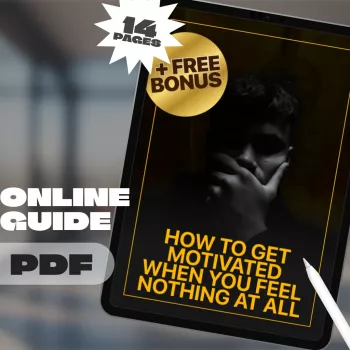
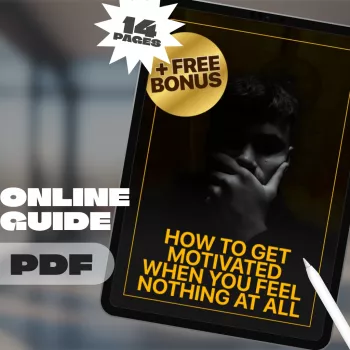
If you want something structured and easy to use in short bursts, How to Get Motivated When You Feel Nothing at All – Digital Download is designed for low-motivation days with quick checklists, tiny-start ideas, and a simple routine template. Use one page, do one exercise, and stop—repeat later if you can.
FAQ
How do you get motivated when depressed and nothing feels rewarding?
Motivation is often a lagging indicator—small actions can come first, and the feeling may follow later. Start with body basics (water, food, sleep) and schedule one tiny, valued action for 2 minutes; consider professional support if symptoms persist or worsen.
What if even small tasks feel impossible?
Lower the task further (30 seconds), use a timer, and pair it with comfort (warm drink, music, cozy clothes). If you can’t meet basic needs or you have thoughts of self-harm, prioritize immediate support and safety.
Does a PDF guide actually help with low motivation?
It can, because pre-made prompts and checklists reduce decision fatigue when thinking feels slow. Using one page at a time (printed or on your phone) can make “what do I do now?” much easier to answer.















Leave a comment