-
Shop
- Adidas
- Advanced Technologies
- AI Skills Mastery 2026 Collection
- Best-Sellers
- Car Accessories
- Dating & Social Skills
- Digital Resources
- AI Skills
- Beauty
- Budgeting & Saving
- Car Buying & Ownership
- Cozy Feast Collection
- Electronics & Technology
- Entrepreneurship & Business Growth
- Financial Education
- Financial Independence
- Financial Mindset & Psychology
- Goal Setting
- Hobbies
- Home Styling & Organization
- Leadership
- Mindfulness
- Mindset
- Parenting & Child Development
- Personal Style & Fashion
- Pet Lifestyle & Wellness
- Positive Thinking
- Sleep Improvement
- Smart Life with AI
- Stress Management & Relaxation
- Travel Planning
- Yoga & Fitness
- Yoga & Mind-Body Practices
- Education & Learning
- Family & Parenting
- Fashion
- Furniture
- Gadgets
- Health & Beauty
- Health & Wellness
- Home & Garden
- Jewelry
- Kids & Babies
- Kitchen
- Kitchen Best-Sellers
- Nike
- Patio, Lawn & Garden
- Personal Growth
- Pet Care
- Pet Supplies
- Pets
- Sport & Outdoors
- Travel
- Wealth
- YouTube Shorts Best-Sellers
- Popular
- Best deals
Build Sports Confidence: Simple Routines That Work
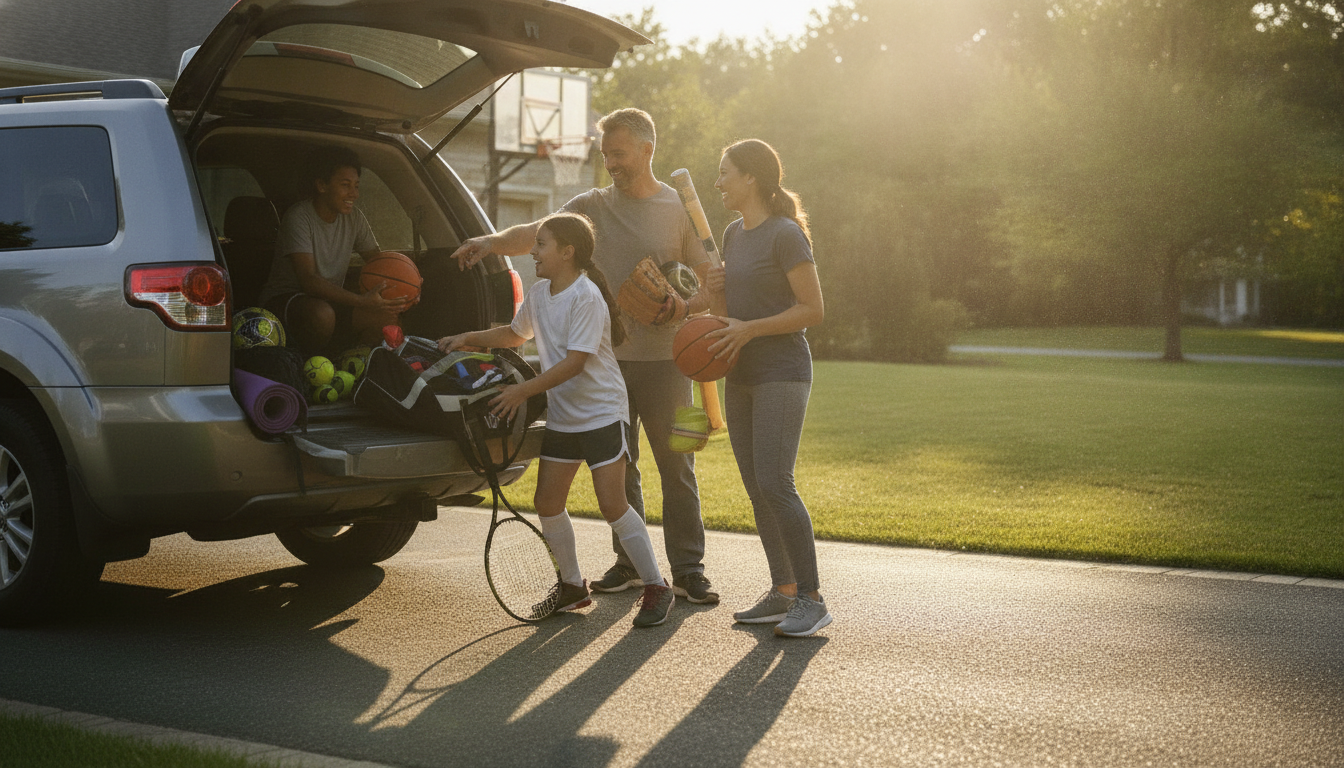
How can I improve my self-confidence in sport?
Sports confidence isn’t something you either have or don’t have—it’s something you build through repeatable habits, especially when pressure is high. The goal is to create a dependable routine that helps your body and mind recognize, “I’ve prepared for this.”
Start with a simple confidence baseline
Pick one or two skills that most influence your performance (for example: first touch, free throws, serves, pacing). Track them for two weeks in practice—nothing fancy, just a note after each session. Seeing objective progress reduces the mental noise that feeds self-doubt.
Use a pre-performance routine to calm nerves
Confidence often drops when you feel rushed. Build a short routine you can repeat before practices and competitions: one deep breath pattern (like 4 seconds in, 6 out), one cue word (“smooth,” “attack,” or “tall”), and one quick body reset (shake out arms, set posture). Repetition turns uncertainty into familiarity.
Rewrite the story you tell yourself mid-game
When mistakes happen, swap judgment for instruction. Replace “I’m choking” with a specific next action: “Eyes up,” “finish through contact,” or “commit to the line.” Confidence grows when the inner voice becomes a coach instead of a critic.
Train under pressure on purpose
If practice is always comfortable, competition will feel louder. Add small stakes: timed drills, score-based consequences, or “must-make” reps at the end when tired. That creates proof you can execute even when your heart rate is up.
Build evidence with a “wins list”
Keep a short list of recent wins: a strong practice, a good decision, effort when you didn’t feel great. Read it before competition to remind yourself you’re not guessing—you’ve earned your confidence.
For a step-by-step routine and a practical checklist to build self-belief under pressure, visit this sports confidence guide.
FAQ
How do I stop overthinking during games?
Use one clear cue and one simple goal for the next play (like “fast feet” or “hit the target”). Keeping your focus on the next controllable action interrupts spiraling thoughts and brings you back to execution.
Recommended for you



Guess Grey Zip-Front Blazer: Fit, Styling & Care
Jul 7, 2026













Leave a comment