-
Shop
- Adidas
- Advanced Technologies
- AI Skills Mastery 2026 Collection
- Best-Sellers
- Car Accessories
- Dating & Social Skills
- Digital Resources
- AI Skills
- Beauty
- Budgeting & Saving
- Car Buying & Ownership
- Cozy Feast Collection
- Electronics & Technology
- Entrepreneurship & Business Growth
- Financial Education
- Financial Independence
- Financial Mindset & Psychology
- Goal Setting
- Hobbies
- Home Styling & Organization
- Leadership
- Mindfulness
- Mindset
- Parenting & Child Development
- Personal Style & Fashion
- Pet Lifestyle & Wellness
- Positive Thinking
- Sleep Improvement
- Smart Life with AI
- Stress Management & Relaxation
- Travel Planning
- Yoga & Fitness
- Yoga & Mind-Body Practices
- Education & Learning
- Family & Parenting
- Fashion
- Furniture
- Gadgets
- Health & Beauty
- Health & Wellness
- Home & Garden
- Jewelry
- Kids & Babies
- Kitchen
- Kitchen Best-Sellers
- Nike
- Patio, Lawn & Garden
- Personal Growth
- Pet Care
- Pet Supplies
- Pets
- Sport & Outdoors
- Travel
- Wealth
- YouTube Shorts Best-Sellers
- Popular
- Best deals
Portable 1500W Induction Cooktop: Fast, Precise Heat
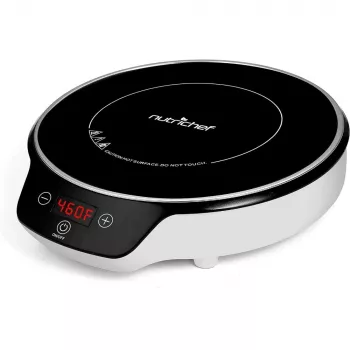
Portable 1500W Induction Cooktop with Digital Display and Touch Controls
A portable induction cooktop brings fast, precise heat to countertops where a full range isn’t available or convenient. With 1500W output, a digital display, and touch controls, this style of cooktop is designed for quick setup, straightforward operation, and consistent results for everyday cooking—from simmering sauces to boiling water efficiently.
What This Portable Induction Cooktop Is Best For
- Small kitchens, dorms, RVs, and offices where a compact cooking surface is needed
- Supplemental cooking space during holidays or when the main stove is busy
- Quick tasks like boiling pasta water, heating soup, pan-searing, and controlled simmering
- Hot-weather cooking when keeping heat off the main kitchen is preferred
Because it’s designed to be moved and stored easily, a countertop induction burner also fits “in-between” moments—like setting up a temporary beverage station, keeping a sauce warm while the oven is doing the heavy lifting, or cooking in a guest suite without a full kitchen.
Key Features at a Glance
- 1500W power output designed for fast heating on standard countertops
- Digital display for clear readouts of settings during cooking
- Touch controls that allow easy adjustments without knobs
- Portable footprint intended for quick storage and transport when not in use
Quick Specs and What They Mean
| Feature | What it affects in daily use |
|---|---|
| 1500W maximum power | Faster boil times and stronger searing potential (within cookware limits) |
| Digital display | Easier confirmation of settings at a glance |
| Touch controls | Simple adjustments and easier wipe-down around control area |
| Portable countertop design | Flexible placement, storage, and use in small spaces |
How Induction Cooking Works (And Why It Feels Different)
- Induction uses electromagnetic energy to heat compatible cookware directly, rather than heating a burner first.
- Because the pan heats first, temperature changes can feel more immediate than traditional electric coils.
- The cooktop surface can remain relatively cooler than radiant electric, but it can still get hot from pan contact and residual heat.
- Performance depends heavily on pan material, pan size, and how flat the base sits on the glass surface.
That “direct-to-pan” heating is the big shift. When the pot responds quickly, it’s easier to stop a boil-over, bring a sauce back to a gentle bubble, or keep a sauté moving without waiting for a burner to catch up. For a deeper overview of the technology and efficiency, see the U.S. Department of Energy’s induction cooking guide.
Cookware Compatibility and Fit
- Works with magnetic cookware: cast iron, many stainless-steel pans, and induction-ready sets.
- A quick test: if a magnet sticks firmly to the base, it is typically compatible.
- Non-magnetic aluminum, copper, and some stainless pans may not work unless they have an induction-ready base layer.
- For best stability and heating, use flat-bottom cookware centered on the cooking zone.
If heating seems uneven or the cooktop cycles on and off more than expected, the cookware is often the reason. A heavier, flatter pan usually translates into steadier results—especially for low-and-slow tasks like melting chocolate, warming milk, or simmering soup.
Everyday Performance: Heating, Simmering, and Control
- High power settings are useful for boiling, stir-frying, and pan-searing (paired with a sufficiently thick pan).
- Lower settings support gentle tasks like melting and simmering, with best results in heavier cookware that reduces temperature swings.
- Touch controls make quick incremental changes easy during active cooking.
- For consistent results, preheat briefly, then reduce to a steady setting once target heat is reached.
For searing, start with a brief preheat on a higher setting, add oil, then reduce slightly once food hits the pan to maintain a steady sizzle without excessive smoke. For simmering, use a thicker-bottomed pot and give the cooktop a minute to stabilize after changing settings—small adjustments are often all that’s needed.
Safety and Practical Countertop Setup
- Place on a stable, level, heat-resistant surface with clear airflow around the unit.
- Keep the cord routed away from the hot pan and out of common walk paths to reduce snag risk.
- Avoid using oversized or warped pans that can reduce contact and cause uneven heating.
- Treat the surface as hot after cooking due to heat transferred from the cookware.
Induction can reduce certain risks compared with open-flame cooking, but everyday kitchen habits still matter: keep combustibles away, don’t leave active cooking unattended, and plan your workspace to avoid bumps and spills. For broader guidance on preventing common cooking-related incidents, review the National Fire Protection Association’s cooking safety tips.
Cleaning and Care
Who Should Choose a Portable Induction Cooktop
Product Options in Stock
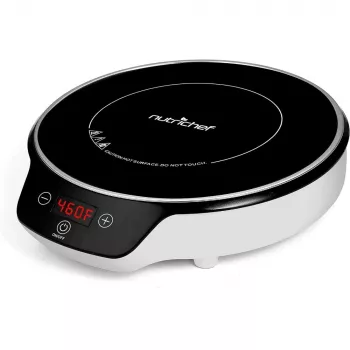
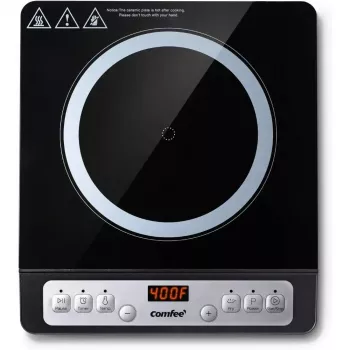
- Portable 1500W Induction Cooktop with Digital Display and Touch Controls: a compact countertop unit designed for fast heating, clear readouts, and tap-to-adjust operation.
- Genuine Leather Women’s Crossbody Shoulder Bag – Minimalist Luxury Style: a streamlined grab-and-go bag that can be handy for travel days when you’re packing essentials for small-space living.
FAQ
Will any pot or pan work on an induction cooktop?
No—induction works reliably only with magnetic cookware. Cast iron and many stainless-steel pans are compatible; a quick check is whether a magnet sticks firmly to the pan’s base.
Is a 1500W portable induction cooktop enough to boil water quickly?
Yes for typical countertop use. Boil time depends on the pot’s material and size, the water volume, and the starting temperature, but 1500W is commonly used for fast everyday boiling.
How do touch controls and a digital display help during cooking?
Touch controls make quick, precise adjustments easy while you’re actively cooking, and a digital display lets you confirm settings at a glance. With fewer crevices than knob-style controls, cleanup around the control area is usually simpler.













Leave a comment