-
Shop
- Adidas
- Advanced Technologies
- AI Skills Mastery 2026 Collection
- Best-Sellers
- Car Accessories
- Dating & Social Skills
- Digital Resources
- AI Skills
- Beauty
- Budgeting & Saving
- Car Buying & Ownership
- Cozy Feast Collection
- Electronics & Technology
- Entrepreneurship & Business Growth
- Financial Education
- Financial Independence
- Financial Mindset & Psychology
- Goal Setting
- Hobbies
- Home Styling & Organization
- Leadership
- Mindfulness
- Mindset
- Parenting & Child Development
- Personal Style & Fashion
- Pet Lifestyle & Wellness
- Positive Thinking
- Sleep Improvement
- Smart Life with AI
- Stress Management & Relaxation
- Travel Planning
- Yoga & Fitness
- Yoga & Mind-Body Practices
- Education & Learning
- Family & Parenting
- Fashion
- Furniture
- Gadgets
- Health & Beauty
- Health & Wellness
- Home & Garden
- Jewelry
- Kids & Babies
- Kitchen
- Kitchen Best-Sellers
- Nike
- Patio, Lawn & Garden
- Personal Growth
- Pet Care
- Pet Supplies
- Pets
- Sport & Outdoors
- Travel
- Wealth
- YouTube Shorts Best-Sellers
- Popular
- Best deals
Smart Car Maintenance Planner: Save & Avoid Surprise Repairs
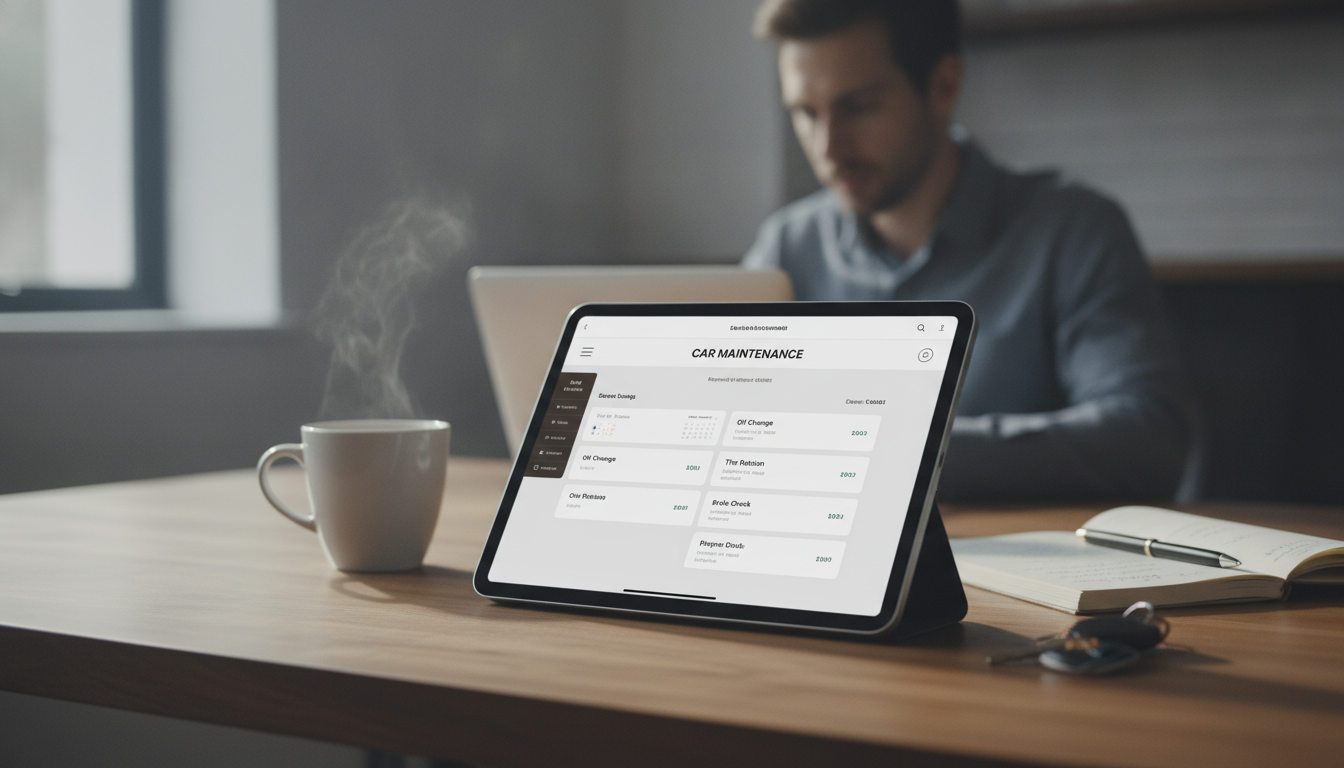
Drive With Confidence and Fewer Costly Surprises: A Smart Car Care Guide (Digital Download)
Car ownership gets easier when maintenance stops being a mystery. A simple system can turn scattered reminders and unexpected repair bills into a plan you can actually follow: what to do, when to do it, and how to set aside money so routine service and common wear items don’t derail the monthly budget. The goal isn’t to become a mechanic—it’s to make car care predictable enough that you can drive with more confidence and fewer “how did this happen?” moments.
Why “surprise” car costs happen (and how to reduce them)
Most “random” car expenses aren’t truly random—they’re just not being tracked in a way that matches how parts wear. Maintenance and repairs feel unpredictable when service intervals aren’t tied to mileage, time, and driving conditions. Add in small wear items like filters, wipers, fluids, tires, and brakes, and costs can stack up fast—especially when several items come due around the same season.
Skipping inexpensive maintenance is one of the easiest ways to trigger expensive repairs. A delayed oil change, neglected coolant checks, or ignoring early brake noise can snowball into overheating, premature component wear, or a no-start battery failure at the worst possible time. A written plan is the antidote: it turns “surprises” into scheduled check-ins, and it creates a steady savings rhythm so the money is ready when the appointment is.
Start with a baseline: the four numbers that make planning easier
Before building a calendar or a budget, gather four basics. First, note current mileage and typical miles driven per month; this makes it much easier to forecast when the next oil service, rotation, or major interval will land. Second, note vehicle age and tire age—rubber and batteries age by time as much as by mileage.
Third, define your driving profile: mostly city, mostly highway, extreme heat or cold, towing, lots of short trips, or long idle time. Many owner’s manuals call these “severe service” conditions and recommend shorter intervals. Fourth, choose a realistic monthly maintenance fund target that fits your budget now, so you’re not waiting for a breakdown to “find” the money.
Build a maintenance calendar that matches real life
Use the owner’s manual maintenance schedule as the backbone, then adjust for severe-service conditions when applicable. If your driving includes short trips, stop-and-go traffic, desert heat, or heavy loads, a more conservative schedule often pays off.
| Timing | Examples of tasks to review | Why it matters |
|---|---|---|
| Monthly | Tire pressure, windshield washer fluid, exterior lights | Prevents uneven tire wear and improves safety |
| Every oil change | Oil/filter, tire rotation (if due), visual brake check | Reduces engine wear and catches issues early |
| Twice per year | Cabin/engine air filter check, wipers, battery test | Improves visibility, airflow, and cold-start reliability |
| Yearly | Alignment check, coolant/brake fluid inspection, AC performance | Avoids expensive wear patterns and system failures |
Plan for the most common “wear-and-tear” expenses
Wear items are the easiest costs to plan for because they follow familiar patterns. Tires are a big one: budget for replacement, rotations, alignments, and occasional puncture repair. Checking tread depth and tire age helps avoid last-minute replacements—especially before winter or long road trips. For tire safety basics, the NHTSA’s guidance is a solid reference: https://www.nhtsa.gov/equipment/tires.
As vehicles age, belts, hoses, and suspension components become more likely. Inspections can flag cracks, leaks, or looseness before they become a breakdown. For broader maintenance schedule context and ownership cost insights, Edmunds is a helpful starting point: https://www.edmunds.com/.
Create a maintenance fund that actually works
Make service appointments less stressful
Ask for a prioritized estimate: safety items first, then items that prevent bigger damage, then convenience/comfort. Request measurements when relevant—brake pad thickness, tire tread depth, and battery test results. If you’re unsure about a recommendation, compare it with your owner’s manual schedule; severe-service driving can justify shorter intervals. For guidance on understanding estimates and common maintenance topics, AAA’s repair resources can be useful: https://www.aaa.com/autorepair/.
Use the digital guide as a repeatable system
If you’re tackling transportation costs alongside broader savings goals, pairing car planning with a structured savings challenge can help keep momentum. A good companion resource is 10K in 100 Days: The Bold & Smart Path to Rapid Savings (Digital Download PDF). And if you prefer to keep registration, receipts, and emergency items organized in one grab-and-go place—especially for commuting or road trips—consider a dedicated bag like the Women’s Waterproof Laptop Backpack School Travel Bag 15.6 Inch.
FAQ
How much should be set aside each month for car maintenance?
Base it on mileage, vehicle age, and driving conditions: newer, low-mileage cars can often use a smaller steady amount, while high-mileage or older cars usually need a higher monthly contribution. It also helps to separate routine maintenance money from a repair reserve so one surprise fix doesn’t wipe out your next scheduled service.
What’s the difference between routine maintenance and repairs?
Routine maintenance is scheduled service and wear items—oil changes, rotations, filters, fluids, wipers, brakes, and tires. Repairs fix failures, like a leaking water pump or a dead alternator; consistent maintenance lowers the odds and cost of those failures over time.
How can upcoming maintenance be predicted without being a car expert?
Use the owner’s manual schedule as your baseline, then track time and mileage with a simple calendar or reminder system. Add a few recurring checks (tires, fluids, lights) and keep basic records so you can see what’s due before it becomes urgent.
Recommended for you



4-Piece Silicone Utensil Set for Nonstick Pan Care
Jun 16, 2026













Leave a comment