-
Shop
- Adidas
- Advanced Technologies
- AI Skills Mastery 2026 Collection
- Best-Sellers
- Car Accessories
- Dating & Social Skills
- Digital Resources
- AI Skills
- Beauty
- Budgeting & Saving
- Car Buying & Ownership
- Cozy Feast Collection
- Electronics & Technology
- Entrepreneurship & Business Growth
- Financial Education
- Financial Independence
- Financial Mindset & Psychology
- Goal Setting
- Hobbies
- Home Styling & Organization
- Leadership
- Mindfulness
- Mindset
- Parenting & Child Development
- Personal Style & Fashion
- Pet Lifestyle & Wellness
- Positive Thinking
- Sleep Improvement
- Smart Life with AI
- Stress Management & Relaxation
- Travel Planning
- Yoga & Fitness
- Yoga & Mind-Body Practices
- Education & Learning
- Family & Parenting
- Fashion
- Furniture
- Gadgets
- Health & Beauty
- Health & Wellness
- Home & Garden
- Jewelry
- Kids & Babies
- Kitchen
- Kitchen Best-Sellers
- Nike
- Patio, Lawn & Garden
- Personal Growth
- Pet Care
- Pet Supplies
- Pets
- Sport & Outdoors
- Travel
- Wealth
- YouTube Shorts Best-Sellers
- Popular
- Best deals
Everyday Outfit Formulas: Build Style From Basics
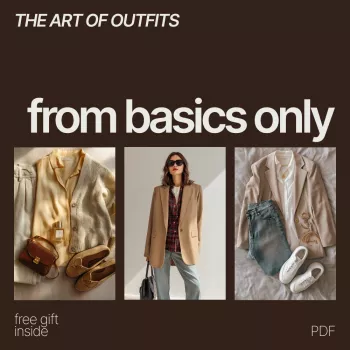
Effortless Everyday Style Starts With the Right Basics
Great outfits don’t require a closet full of statement pieces. With a small set of reliable basics, a few repeatable outfit formulas, and smart finishing touches, it becomes easier to get dressed quickly while still looking intentional. The key is choosing versatile basics, balancing proportions, and using color, texture, and accessories to create variety without overthinking.
Style fundamentals (like balance, proportion, and harmony) show up in daily outfits more than in runway trends. If you enjoy the “why” behind what looks good together, the design principles behind clothing are worth exploring at Fashion Design: Elements and Principles. And if you’re aiming to buy less while wearing more of what you own, UN SDG 12: Responsible Consumption and Production is a useful lens for building a smarter wardrobe.
What Counts as a “Basic” (and What Doesn’t)
Basics are repeatable, layer-friendly pieces that work across multiple settings: tees, tanks, button-downs, straight-leg denim, tailored trousers, simple knits, clean sneakers, loafers, and structured outerwear. A basic is defined by versatility, not by being boring—fit, fabric, and silhouette matter more than logos or trend details.
Watch out for “almost-basic” items that quietly limit combinations: fussy necklines, loud prints, unusual hems, uncomfortable fabrics, or anything that only works with one specific item. To make mixing and matching painless, keep a tight palette: 2–3 neutrals plus 1–2 accent colors.
Basics Checklist by Category
| Category | Core basics to consider | Best-use notes |
|---|---|---|
| Tops | Crewneck tee, ribbed tank, lightweight knit, button-down | Pick 1–2 necklines; repeat colors for easy layering |
| Bottoms | Straight-leg jeans, tailored trousers, casual skirt (optional) | Aim for one casual and one polished option |
| Layers | Blazer, denim jacket, trench/coat, cardigan | Choose at least one structured layer to elevate simple outfits |
| Shoes | Clean sneakers, loafers/flat, ankle boot (optional) | Two pairs can cover most everyday outfits |
| Accessories | Belt, small hoops, simple necklace, tote/crossbody | Use accessories to shift the vibe without changing the base outfit |
Start With Fit: The Fastest Way to Make Basics Look Expensive
Fit is the shortcut to “put-together.” Choose one anchor fit per category: a tee that skims (not clings), jeans that sit comfortably at the waist, trousers that drape cleanly, and outerwear with intentional shoulders. If you only upgrade one thing, upgrade fit—because even a simple tee looks elevated when the shoulder seam lands correctly and the hem hits the right spot.
Tailoring basics pays off quickly. Hem pants to the right shoe height, and fix waist gaps so the line looks clean from the front and side. A helpful rule is “one relaxed, one refined”: pair a relaxed top with structured bottoms, or a structured top with relaxed bottoms.
When something feels off, check three fit zones: (1) shoulder seams on tops and jackets, (2) waist placement (high/mid/low rise), and (3) hem lengths (ankle, full length, cropped). Small tweaks here change the entire outfit’s polish.
Outfit Formulas That Work With Almost Any Basics
Outfit formulas remove decision fatigue. You don’t need new clothes—you need a reliable order of operations that works across seasons. Try these repeatable combinations:
- Formula 1: Tee + straight-leg jeans + structured layer (blazer/trench) + clean shoes.
- Formula 2: Knit top + tailored trousers + belt + loafers (swap loafers for sneakers to dress down).
- Formula 3: Button-down (tucked or half-tucked) + denim + minimal jewelry (add a cardigan or denim jacket for depth).
- Formula 4: Monochrome base (top and bottom in similar tones) + contrasting outerwear for an instant polished look.
- Formula 5: Tank + open button-down + trousers/jeans + simple necklace (easy warm-weather layering).
To keep basics from looking “default,” include one intentional element per outfit: a crisp tuck, cuffed sleeves, a belt that matches your shoes, or a third layer that adds shape.
Color and Texture Tricks for Variety Without New Clothes
When your pieces are simple, color strategy does the heavy lifting. Choose a neutral base approach—(A) black/white/denim, (B) beige/cream/brown, or (C) navy/white/gray—then rotate one accent color. That accent might show up as a knit, a bag, a shoe, or even a lip color, but it should repeat often enough to feel cohesive.
Accessories and Styling Moves That Change the Entire Outfit
Build a Weekly Outfit Plan From a Small Set of Basics
A Practical Style Guide for Everyday Outfit Building
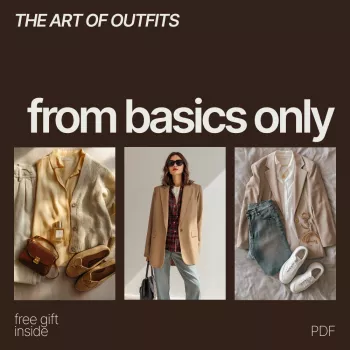
Outfit building becomes repeatable when you follow a framework: start with a base (top + bottom), add a third piece (layer), then finish with shoes and one accessory. If you want ready-to-use combinations and a structured system built entirely around basics, see The Art of Outfits From Basics Only – A Practical Style Guide on How to Build Outfits From Basics Only for Effortless Everyday Fashion.
To keep the process smooth day to day, a tidy closet helps basics feel more “grab-and-go.” For simple organization—hanging bags, belts, hats, or even jewelry pouches—consider Magnetic Hooks for quick, visible storage.
FAQ
How many basics are needed to create a lot of outfits?
About 10–20 key pieces is realistic for strong variety, especially if you include a few layers and two dependable shoes. Outfit formulas multiply options because the same tee can work with jeans, trousers, and under a blazer or cardigan.
How can basics look polished instead of plain?
Prioritize fit and fabric, keep pieces steamed or neatly pressed, and add one structured layer like a blazer or trench. Finish with a belt or polished shoes and one intentional styling detail (a clean tuck or cuffed sleeve) to make the look feel deliberate.
What’s the easiest way to add variety without buying more clothes?
Change one variable at a time: swap shoes, add or remove a third piece, adjust tucks and cuffs, or repeat a color through an accessory. Texture layering (knit over cotton, denim with smooth trousers) also creates variety while keeping the palette simple.








Leave a comment