-
Shop
- Adidas
- Advanced Technologies
- AI Skills Mastery 2026 Collection
- Best-Sellers
- Car Accessories
- Dating & Social Skills
- Digital Resources
- AI Skills
- Beauty
- Budgeting & Saving
- Car Buying & Ownership
- Cozy Feast Collection
- Electronics & Technology
- Entrepreneurship & Business Growth
- Financial Education
- Financial Independence
- Financial Mindset & Psychology
- Goal Setting
- Hobbies
- Home Styling & Organization
- Leadership
- Mindfulness
- Mindset
- Parenting & Child Development
- Personal Style & Fashion
- Pet Lifestyle & Wellness
- Positive Thinking
- Sleep Improvement
- Smart Life with AI
- Stress Management & Relaxation
- Travel Planning
- Yoga & Fitness
- Yoga & Mind-Body Practices
- Education & Learning
- Family & Parenting
- Fashion
- Furniture
- Gadgets
- Health & Beauty
- Health & Wellness
- Home & Garden
- Jewelry
- Kids & Babies
- Kitchen
- Kitchen Best-Sellers
- Nike
- Patio, Lawn & Garden
- Personal Growth
- Pet Care
- Pet Supplies
- Pets
- Sport & Outdoors
- Travel
- Wealth
- YouTube Shorts Best-Sellers
- Popular
- Best deals
Women’s Lightweight Running Shoes: Fit, Feel & Durability
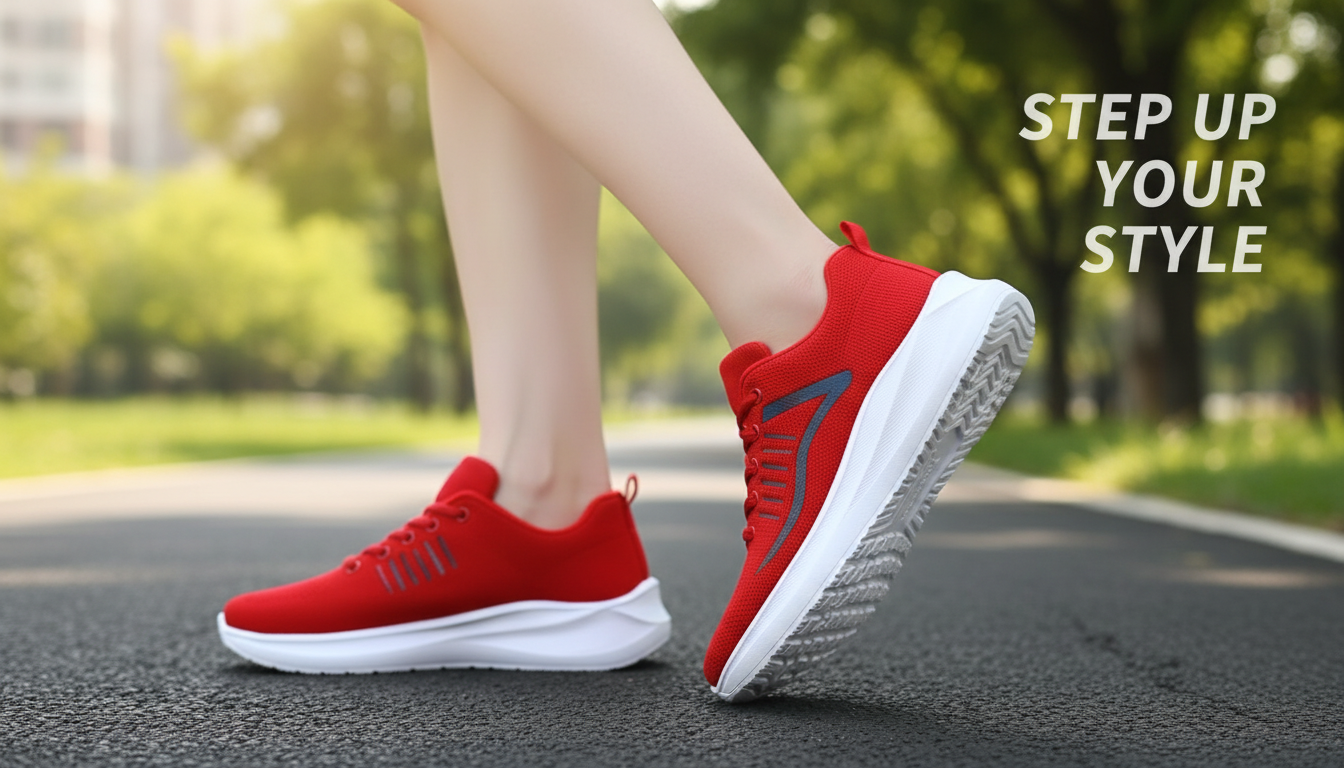
Women’s Lightweight Running Shoes: Comfort, Support, and Everyday Speed
Lightweight running shoes can make daily miles feel smoother and quicker, especially when you want a “barely there” sensation without giving up comfort. The catch: the lightest option isn’t always the best option if cushioning, stability, or fit don’t match how and where you run. Use the guide below to understand what “lightweight” actually means, which features matter most, and how to dial in fit so you get easy turnover without hotspots or early wear. For more guidance, see 10 Best Lightweight Running Shoes That Don’t Sacrifice Comfort.
What “lightweight” really means for running shoes
A lightweight build usually comes from thinner uppers, streamlined overlays, and less bulky foam—without automatically meaning “less cushioning.” Many lighter models still feel protective underfoot, but they deliver that protection with more efficient foam shapes, simpler uppers, and reduced rubber on the outsole. For further reading, see The Ultimate Guide to Vegan Running Shoes (Women’s Sizes) – PETA.
The main upside is how effortless your stride can feel on easy runs, treadmill sessions, tempo efforts, and travel workouts. Less weight at the foot can make turnover feel easier, particularly when you’re cruising or picking up the pace.
There are trade-offs, though. Lightweight shoes may have less structured support, reduced outsole rubber coverage, and a shorter lifespan if they’re pushed beyond their intended use (for example, using a light speed-focused shoe as an everyday high-mileage trainer). The best results come from matching the shoe’s design to your run type (easy, long, speed) and your foot needs (neutral vs. stability).
Key features that matter most
Cushioning
Look for cushioning that feels comfortable without “bottoming out” mid-run. Softer foams can feel luxurious at first step-in, but they may feel less stable for some runners—especially around turns, cambered sidewalks, or when fatigue sets in.
Support and stability
Even in a lightweight shoe, details like a secure heel counter, guided sidewalls, and a broader base can add confidence. If you’ve ever felt your foot drift inward late in a run, a stable platform can matter more than shaving an ounce.
Upper fit and breathability
Breathable mesh helps with heat management, especially in warmer climates or indoor treadmills. Focus on a well-designed midfoot wrap that prevents sliding without forcing you to crank down the laces (which can cause numbness or lace bite).
Outsole traction and durability
More rubber in high-wear areas—often the lateral heel and forefoot—usually means better durability and grip on damp sidewalks and light gravel. Minimal rubber can feel fast, but it may wear quickly if you’re logging frequent road miles.
Heel-to-toe drop
Heel-to-toe drop changes how load is distributed. Higher drops can feel easier on calves and Achilles for some runners, while lower drops may feel more natural but can increase calf load during transitions. If you’re switching drop heights, ease in gradually.
Choosing the right pair for your runs
For walking + casual runs
Prioritize step-in comfort, a breathable upper, and a forgiving toe box. A lightweight shoe that’s comfortable for errands and light jogs should feel smooth at walking pace and not “slap” the ground.
For treadmill and short road runs
Look for smooth transitions, moderate cushioning, and a snug heel to reduce friction. Treadmill running is consistent, so you can often go slightly lighter—just be sure the upper holds your foot securely when you increase speed.
For speed days
For longer easy runs
Fit checklist to reduce slipping and hotspots
Quick fit and feature check
| What to check | Good sign | Common fix if not |
|---|---|---|
| Heel lockdown | Minimal lift when walking/jogging | Runner’s loop lacing; try half size down only if toes still have room |
| Toe room | Thumb-width space; toes not pressing upper | Half size up; choose a wider toe box |
| Midfoot security | No sliding side-to-side on turns | Adjust lacing pattern; look for better midfoot overlays |
| Cushioning feel | Comfortable without wobble | Choose a slightly firmer foam or wider base |
| Outsole grip | Confident on smooth and slightly damp pavement | More rubber coverage; deeper texture for mixed surfaces |
Care and rotation tips to extend lifespan
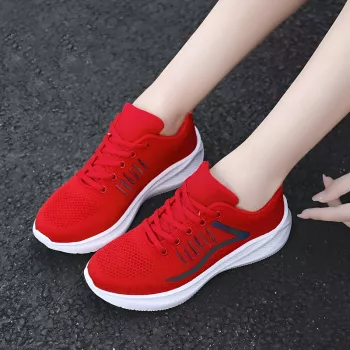
Women’s Lightweight Running Shoes: product overview
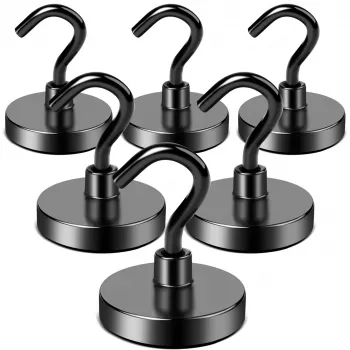
To keep your routine simple, it helps to support your running habits with a few practical add-ons at home. For example, Magnetic Hooks can keep caps, reflective gear, or resistance bands organized where you’ll actually use them. For quick snacks and portion-friendly sauces with post-run meals, the Cute Ceramic Cat Face Sauce Dish – Creative Small Condiment Plate is an easy kitchen helper. And if you enjoy structured learning for goal-setting and consistency, the Mastering Real Estate Success Guide is an in-stock digital-style read that fits a busy schedule.
When a lightweight shoe may not be the best pick
Helpful guidance from trusted organizations
FAQ
Are lightweight running shoes good for everyday running?
They can be, as long as the cushioning and support match your gait and weekly mileage. If you run longer distances often, rotating with a more cushioned trainer can help manage impact and reduce wear on the lighter pair.
How should women’s running shoes fit in the toe box?
Aim for about a thumb-width of space in front of the longest toe, with no pressure on top of the toes and enough width for toe splay. Feet often swell during longer runs, and sock thickness can change the fit.
How long do lightweight running shoes usually last?
Many last roughly 250–400 miles, but it varies by runner weight, surfaces, and foam/outsole design. Replace them when the midsole feels noticeably flatter than it did early on, tread is worn in key zones, or new aches appear during otherwise normal runs.













Leave a comment