-
Shop
- Adidas
- Advanced Technologies
- AI Skills Mastery 2026 Collection
- Best-Sellers
- Car Accessories
- Dating & Social Skills
- Digital Resources
- AI Skills
- Beauty
- Budgeting & Saving
- Car Buying & Ownership
- Cozy Feast Collection
- Electronics & Technology
- Entrepreneurship & Business Growth
- Financial Education
- Financial Independence
- Financial Mindset & Psychology
- Goal Setting
- Hobbies
- Home Styling & Organization
- Leadership
- Mindfulness
- Mindset
- Parenting & Child Development
- Personal Style & Fashion
- Pet Lifestyle & Wellness
- Positive Thinking
- Sleep Improvement
- Smart Life with AI
- Stress Management & Relaxation
- Travel Planning
- Yoga & Fitness
- Yoga & Mind-Body Practices
- Education & Learning
- Family & Parenting
- Fashion
- Furniture
- Gadgets
- Health & Beauty
- Health & Wellness
- Home & Garden
- Jewelry
- Kids & Babies
- Kitchen
- Kitchen Best-Sellers
- Nike
- Patio, Lawn & Garden
- Personal Growth
- Pet Care
- Pet Supplies
- Pets
- Sport & Outdoors
- Travel
- Wealth
- YouTube Shorts Best-Sellers
- Popular
- Best deals
Screen-Free Bedtime Routine + Printable Checklist
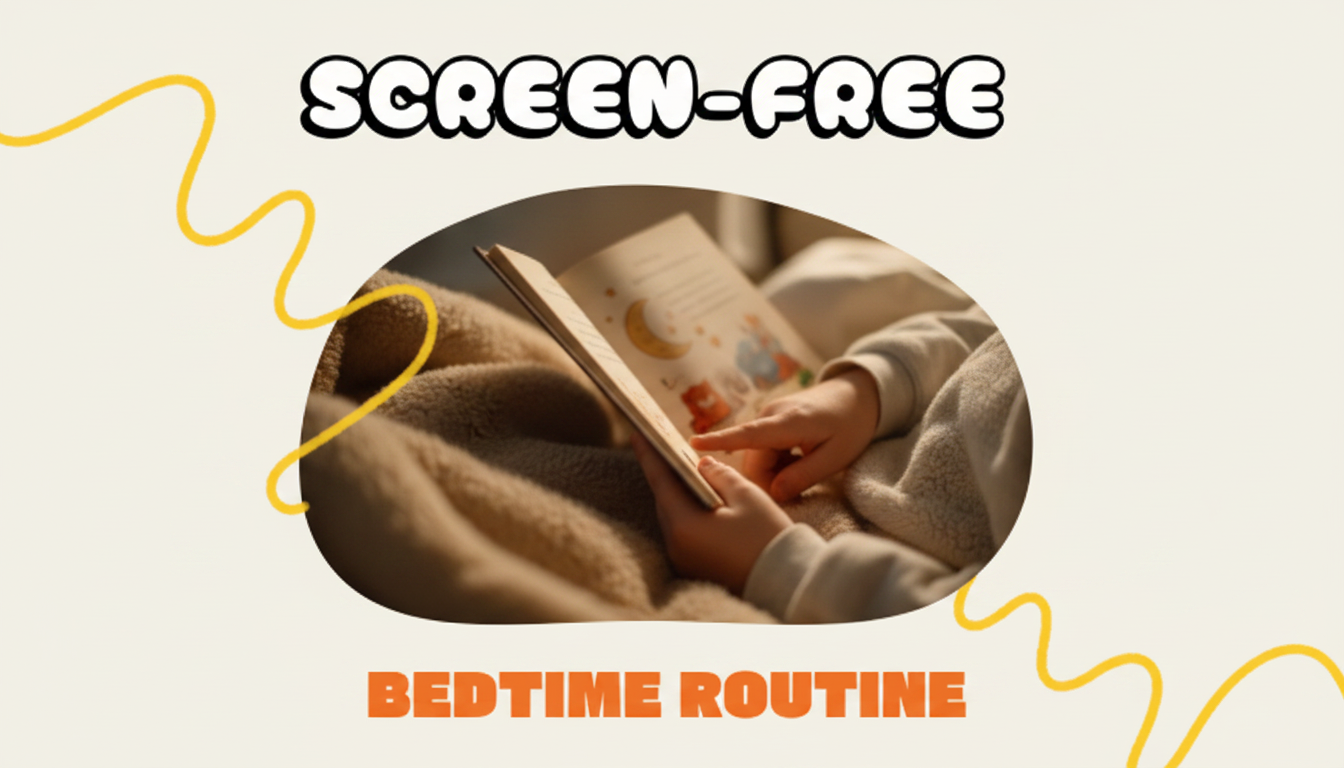
A Screen-Free Bedtime Routine That Actually Sticks (With a Printable Checklist)
A calm, predictable bedtime can reduce power struggles and help kids settle faster—without relying on tablets, phones, or TV. A screen-free routine works best when it’s simple, repeatable, and consistent across caregivers. Below is an easy flow for toddlers through elementary ages, plus a printable checklist that keeps the steps the same even on busy nights. For more guidance, see What kind of bed should I get for my dog with arthritis?.
Why screens make bedtime harder
Screens can be a tough “off-ramp” at the end of the day. Bright light and fast-moving content keep kids’ brains in “go mode,” which can make it harder to transition into sleep. When devices take up the last chunk of the evening, they often crowd out the rituals that naturally help kids downshift—like reading aloud, chatting, or calming sensory activities. For further reading, see Best Dog Beds – Consumer Reports.
Another common issue is inconsistency: if screens are allowed some nights but not others, kids learn to negotiate and stall because the boundary feels flexible. A predictable routine creates clear expectations—same steps, same order, same cues—so bedtime becomes less about debating and more about following the sequence.
Set the foundation: simple rules that prevent nightly battles
Most routines fail because the “rules” change when adults are tired. Keep the foundation minimal and clear so it’s easy to hold steady.
- Choose a consistent lights-out time and build the routine backwards (many families do best with 30–60 minutes total).
- Create a household screens-off cutoff (often 60 minutes before bed) and keep chargers out of bedrooms.
- Use one transition cue every night (timer, a short music playlist, or dimming lights) so kids know what’s next.
- Keep the routine short and repeatable; too many steps create more chances to stall.
| What to set | Good starting point | Tip to make it easier |
|---|---|---|
| Screens-off cutoff | 60 minutes before lights-out | Place devices on a charging spot outside bedrooms |
| Routine length | 30–45 minutes | Pick 5–7 steps max and keep the order the same |
| Environment | Dim lights + cooler room | Prep pajamas, toothbrushes, and book before starting |
| Transition cue | Timer or calm music | Use the same cue nightly to reduce bargaining |
A reliable screen-free bedtime routine (sample flow)
Think of this as a script you repeat until it becomes automatic. Adjust the timing, but keep the order consistent.
- 10 minutes: connect and reset. Snuggle, short chat, simple breathing, or share a “high/low” from the day.
- 10 minutes: hygiene. Toilet, bath or quick wash, brush teeth, hair, lotion if needed.
- 5 minutes: pajamas and room reset. Dirty clothes in hamper, stuffed animal picked, water bottle filled.
- 10–15 minutes: calm activity. Reading aloud, quiet coloring, puzzles, or gentle music.
- 2 minutes: lights-out script. Say the same short phrase every night, hugs/kisses, and leave the room consistently.
If sleep is a challenge, it can help to align bedtime with age-appropriate sleep needs. The CDC’s sleep guidelines offer a practical baseline for how much sleep children typically need.
Age-by-age tweaks (toddlers to big kids)
- Toddlers (1–3): Keep steps visual and short; offer two choices only (which pajamas, which book) to reduce power struggles.
- Preschool (3–5): Add one “helper job” (choose tomorrow’s outfit, put pajamas away) to prevent wandering and keep hands busy.
- Early elementary (6–9): Try a quick worry-dump—write or draw one concern and “park it” for tomorrow—then move on.
- Older kids: Shift from policing to planning. Agree on the cutoff, use built-in device downtime tools, and keep reading/talking as the anchor.
For families navigating screen habits overall, the American Academy of Pediatrics guidance on media and children is a helpful reference point for setting boundaries that feel reasonable and sustainable.
Use a printable checklist to build independence
A bedtime checklist turns repeated reminders into a simple, visible plan. When kids are tired, working memory drops—so “What’s next?” becomes constant. A checklist answers that question without an argument.
Digital download: Screen-Free Bedtime Routine Printable Checklist for Parents
If you want an easy way to lock in the routine quickly, the Screen-Free Bedtime Routine Printable Checklist (Digital Download) is designed to be printed and used the same day. The steps are clear and customizable, so you can match your family’s timing and keep the sequence consistent.
Optional add-on for a calmer room environment
The Mini USB Aroma Humidifier & Essential Oil Diffuser with Soft LED Light can support a calmer wind-down when used as a steady bedtime cue (keep scents mild and always follow child-safe guidance for essential oils). The key is consistency: the same soft light, the same spot, the same routine.
Common roadblocks and quick fixes
Make it last: a 7-day consistency plan
FAQ
What’s a good screens-off cutoff time before bed?
A practical starting point is about 60 minutes before lights-out, then adjust based on age and how sensitive your child is to stimulation. Using the same transition cue each night (like a timer or calm music) helps the cutoff feel predictable instead of negotiable.
How do parents handle bedtime when kids share a room?
Stagger the routine so one child finishes hygiene while the other does a quiet step (reading or coloring), then keep the final lights-out script the same for both. A small lamp or dim night light can help one child settle without fully lighting the room.
How can a printable checklist help with bedtime resistance?
A checklist makes the routine visual, which reduces repeated reminders and lowers the chances of bargaining about what comes next. It also supports independence and keeps bedtime consistent across different caregivers; laminating it and limiting it to a few clear steps makes it easier to use nightly.















Leave a comment