-
Shop
- Adidas
- Advanced Technologies
- AI Skills Mastery 2026 Collection
- Best-Sellers
- Car Accessories
- Dating & Social Skills
- Digital Resources
- AI Skills
- Beauty
- Budgeting & Saving
- Car Buying & Ownership
- Cozy Feast Collection
- Electronics & Technology
- Entrepreneurship & Business Growth
- Financial Education
- Financial Independence
- Financial Mindset & Psychology
- Goal Setting
- Hobbies
- Home Styling & Organization
- Leadership
- Mindfulness
- Mindset
- Parenting & Child Development
- Personal Style & Fashion
- Pet Lifestyle & Wellness
- Positive Thinking
- Sleep Improvement
- Smart Life with AI
- Stress Management & Relaxation
- Travel Planning
- Yoga & Fitness
- Yoga & Mind-Body Practices
- Education & Learning
- Family & Parenting
- Fashion
- Furniture
- Gadgets
- Health & Beauty
- Health & Wellness
- Home & Garden
- Jewelry
- Kids & Babies
- Kitchen
- Kitchen Best-Sellers
- Nike
- Patio, Lawn & Garden
- Personal Growth
- Pet Care
- Pet Supplies
- Pets
- Sport & Outdoors
- Travel
- Wealth
- YouTube Shorts Best-Sellers
- Popular
- Best deals
Nonstop Dog Panting: Causes, Home Checks & Emergencies
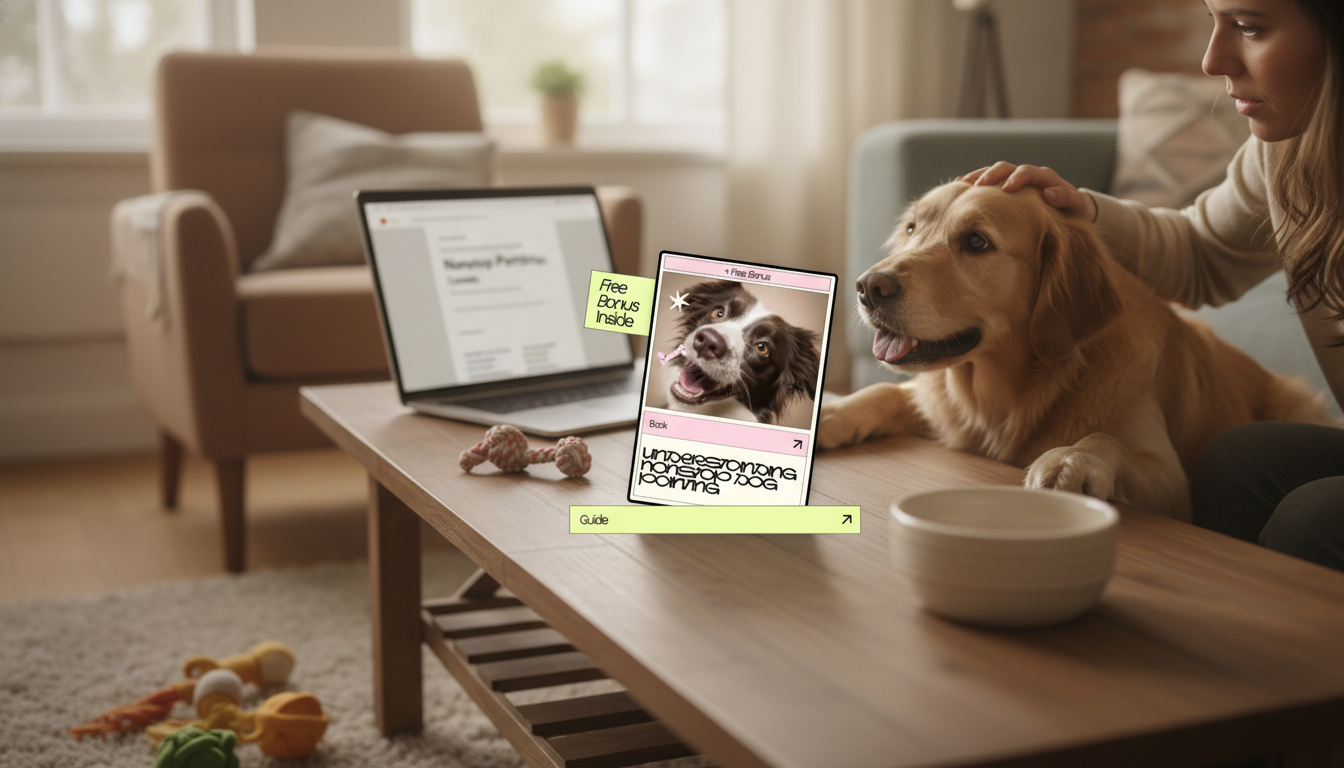
Understanding Nonstop Dog Panting: A Practical Guide for Calm, Confident Care
Panting is one of the main ways dogs cool themselves down and regulate stress. But when panting feels constant, shows up during rest, or doesn’t match the situation, it can be an early clue that something is off—anything from heat strain and anxiety to pain, medication effects, or illness. The goal is to notice patterns, check a few key signs at home, and know when to treat panting as urgent.
What Panting Does (and What “Nonstop” Really Means)
Dogs don’t sweat like humans do. Panting works as thermoregulation: rapid airflow over the tongue and upper airway helps evaporate moisture and release heat. It can also spike during stress because adrenaline and tension change breathing rate.
Normal panting often happens after exercise, during excitement, in warm rooms, on car rides, or during brief stressful moments. “Nonstop” is different: panting that continues long after the trigger ends, happens at rest, wakes a dog from sleep, or comes with other concerning signs.
Baseline matters. Brachycephalic breeds (like Bulldogs and Pugs), seniors, overweight dogs, and thick-coated dogs typically have less “breathing margin,” so a smaller trigger can cause bigger panting—and complications can escalate faster.
Common Causes of Persistent Panting
Heat and humidity
Warm temperatures, humidity, poor airflow, hot pavement, and enclosed spaces (including cars) can push dogs into heat stress. Overweight dogs and dogs with heavy coats can overheat even on “mild” days.
Stress and anxiety
Thunderstorms, fireworks, separation, vet visits, visitors, and new environments can trigger persistent panting. Look for pacing, trembling, pinned ears, a tucked tail, hiding, or clinginess.
Pain and discomfort
Pain commonly increases breathing rate. Arthritis flares, abdominal discomfort, injuries, or dental pain may cause panting paired with restlessness, guarding, reluctance to lie down, or sudden sensitivity to touch.
Respiratory issues
Upper-airway and tracheal problems can make breathing less efficient and lead to frequent panting. Noisy breathing, wheezing, stridor (a harsh sound on inhale), gagging/coughing, or “goose-honk” cough can point to conditions such as brachycephalic airway syndrome, tracheal collapse, or laryngeal paralysis.
Cardiac and systemic issues
Heart disease, fever/infection, and anemia can show up as panting plus low stamina, weakness, coughing, pale gums, or collapse. If panting is new and your dog seems “not themselves,” treat it seriously.
Hormonal/metabolic causes
Cushing’s disease can increase panting, thirst, and appetite. Obesity can also drive chronic heat intolerance. (Hyperthyroidism is rare in dogs but metabolic changes can still affect breathing.)
Medication effects
Steroids such as prednisone are well known for increasing panting, thirst, and urination. Some pain medications or stimulants can also raise respiratory rate. A noticeable change after dosing is an important clue to share with the prescribing veterinarian.
A Quick At-Home Check: What to Observe Before Calling
When Panting Is an Emergency
Heatstroke red flags include frantic panting, thick drool, bright red gums or tongue, vomiting/diarrhea, disorientation, and staggering. Heatstroke is time-sensitive—begin cooling and go to a veterinarian right away. Helpful references include the Merck Veterinary Manual and AVMA hot weather safety guidance.
Panting Patterns: Often Normal vs Concerning
| Situation | Often normal signs | Concerning signs | Recommended action |
|---|---|---|---|
| After play or a walk | Panting slows within 10–30 minutes; dog drinks and relaxes | Panting persists at rest; weakness, vomiting, stumbling | Cool down in shade, offer water; call vet if not improving quickly |
| Warm indoor room | Improves with fan/AC and water | Tacky gums, agitation, bright red tongue, diarrhea | Begin cooling and seek urgent care if heat stress suspected |
| During fireworks/thunder | Panting with pacing but normal gums and coordination | Cannot settle, tremors, attempts to escape, self-injury | Create quiet safe space; discuss behavior plan/meds with vet |
| Senior dog at night | Occasional panting with position changes | New nightly panting + cough, exercise intolerance, collapse | Schedule prompt vet visit to evaluate heart/lung function |
| On prednisone or similar meds | Panting increases after dose; thirst/urination increase | Panting with vomiting, extreme lethargy, or breathing effort | Contact prescribing vet to adjust dose or rule out complications |
Safe Steps to Help Right Away (Without Delaying Care)
What the Veterinarian May Check
When episodes are intermittent, follow-up often includes monitoring trends: what time it happens, how long it lasts, how quickly it resolves, and whether interventions change the pattern. For additional background on normal panting vs warning signs, see the American Kennel Club overview of why dogs pant.
Daily Prevention and Long-Term Support
Digital Support for Pet Parents Who Want Clear Next Steps
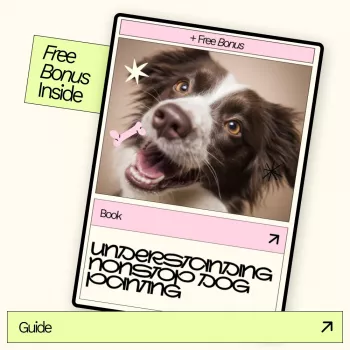
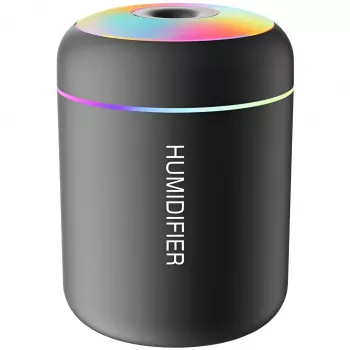
For a step-by-step framework you can keep on your phone, consider Understanding Nonstop Dog Panting – A Practical Digital Guide for Dog Owners, Pet Parents & Canine Health Awareness. For households where warm, dry air contributes to discomfort and restlessness, Mini USB Aroma Humidifier & Essential Oil Diffuser with Soft LED Light can help support a calmer environment when used safely and placed out of reach.
FAQ
Why is my dog panting at night while resting?
A warm room, anxiety, pain (including arthritis), and medication effects are common reasons. New nightly panting paired with coughing, weakness, collapse, or visible breathing effort warrants prompt veterinary evaluation; recording a short video and checking the room temperature can help clarify what’s happening.
How long should panting last after exercise?
Many dogs settle within about 10–30 minutes with rest, shade, water, and cooling. If panting persists at rest, worsens, or comes with weakness, vomiting, stumbling, or distress, contact a veterinarian urgently because heat stress, pain, or heart/lung issues may be involved.
Can anxiety cause nonstop panting in dogs?
Yes—anxiety can drive persistent panting, often with pacing, trembling, hiding, hypervigilance, or attempts to escape. A quiet safe space and calming routines can help, and a veterinarian can advise on behavior modification strategies or medication when episodes are frequent or severe.














Leave a comment