-
Shop
- Adidas
- Advanced Technologies
- AI Skills Mastery 2026 Collection
- Best-Sellers
- Car Accessories
- Dating & Social Skills
- Digital Resources
- AI Skills
- Beauty
- Budgeting & Saving
- Car Buying & Ownership
- Cozy Feast Collection
- Electronics & Technology
- Entrepreneurship & Business Growth
- Financial Education
- Financial Independence
- Financial Mindset & Psychology
- Goal Setting
- Hobbies
- Home Styling & Organization
- Leadership
- Mindfulness
- Mindset
- Parenting & Child Development
- Personal Style & Fashion
- Pet Lifestyle & Wellness
- Positive Thinking
- Sleep Improvement
- Smart Life with AI
- Stress Management & Relaxation
- Travel Planning
- Yoga & Fitness
- Yoga & Mind-Body Practices
- Education & Learning
- Family & Parenting
- Fashion
- Furniture
- Gadgets
- Health & Beauty
- Health & Wellness
- Home & Garden
- Jewelry
- Kids & Babies
- Kitchen
- Kitchen Best-Sellers
- Nike
- Patio, Lawn & Garden
- Personal Growth
- Pet Care
- Pet Supplies
- Pets
- Sport & Outdoors
- Travel
- Wealth
- YouTube Shorts Best-Sellers
- Popular
- Best deals
Microfiber Mop Pad Replacement: Fit, Care & Clean Tips
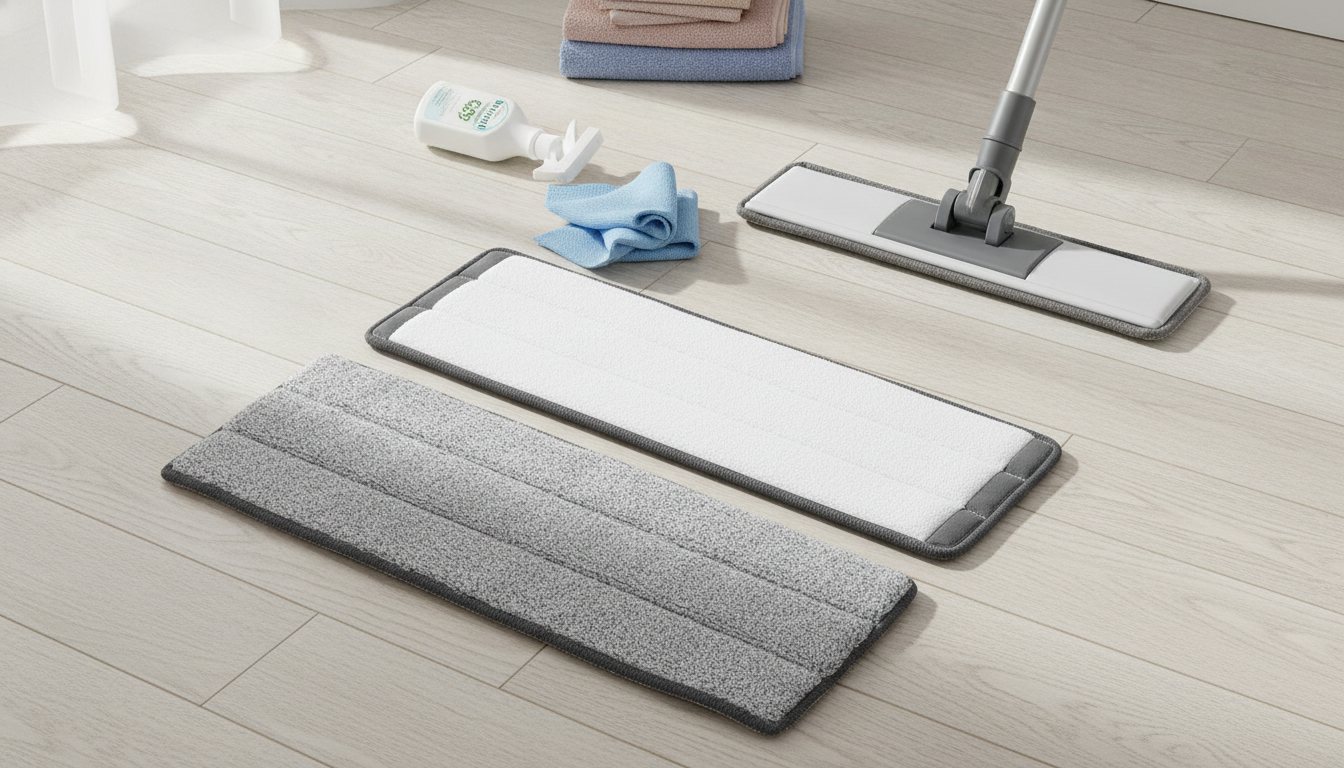
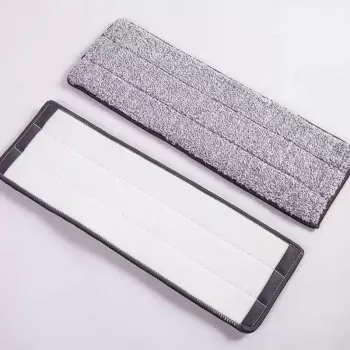
Microfiber Mop Head Replacement Pad – Durable Floor Cleaning Cloth
A fresh microfiber pad can bring back the smooth glide and pickup performance of a well-loved mop. This replacement mop head cloth is designed for everyday messes—dust, hair, crumbs, and sticky spots—while being easy to rinse, wash, and reuse across common hard-floor surfaces. When the pad is clean and properly fitted, microfiber works like a magnet for fine debris, helping floors look cleaner with fewer passes and less water.
What a Replacement Microfiber Mop Pad Does Best
Microfiber earns its reputation by combining strong pickup with a gentle touch. A quality replacement pad is especially useful for routine maintenance cleaning—keeping dust and tracked-in grime from building up.
- Lifts fine dust and pet hair with dense fibers that grab particles instead of pushing them around.
- Handles damp mopping for light spills and footprints without leaving heavy streaks when properly wrung out.
- Provides a gentler clean on sealed surfaces compared with abrasive scrub pads.
- Helps keep a consistent cleaning routine by swapping in a clean pad rather than reusing a dirty one.
For day-to-day cleaning, microfiber pads can also help reduce how much cleaner you use. The U.S. EPA Safer Choice program is a helpful reference when selecting cleaning products that are designed to be safer for people and pets while still effective.
Materials and Build Quality to Look For
Not all microfiber is made the same. The details—stitching, weave, and thickness—often determine how well the pad performs after repeated washes.
- Tight, uniform microfiber weave for better pickup and fewer lint trails.
- Secure edge stitching to reduce fraying after repeated wash cycles.
- Balanced thickness: thick enough to hold soil and moisture, thin enough to rinse clean easily.
- Fast-drying fabric helps reduce odors between uses when air-dried fully.
If a pad stays damp too long, odor can become an issue. Good airflow and full drying matter as much as the material itself.
Fit and Compatibility Check Before Buying
Even an excellent microfiber cloth won’t clean well if it doesn’t sit flat. Before ordering a replacement pad, verify shape, attachment style, and sizing so the pad stays secure and maintains full contact with the floor.
- Match the pad shape to the mop head (rectangular, rounded, or specialty shapes).
- Confirm attachment style: hook-and-loop, pockets, clips, or snap/strap systems.
- Measure approximate mop head length and width to ensure full contact with the floor.
- If the pad is slightly larger, it may bunch at the edges; if smaller, it may leave uncleaned strips.
Quick Compatibility Checklist
| What to check | Why it matters | Quick test at home |
|---|---|---|
| Attachment method | Prevents slipping or detaching mid-clean | Look for hook-and-loop, pockets, clips, or straps on the mop head |
| Pad dimensions | Ensures full floor contact and even pressure | Measure mop head surface (L × W) and compare to pad size |
| Edge clearance | Avoids bunching and missed edges | Place a towel over the mop head to mimic pad coverage |
| Intended floor type | Protects finishes and improves results | Check whether floors are sealed (wood) or textured (tile grout) |
Best Ways to Use Microfiber Pads on Different Floors
Technique matters as much as the pad. The goal is controlled moisture, steady pressure, and timely pad changes so you’re not redistributing soil.
- Sealed hardwood: use lightly damp; avoid soaking the pad; dry buff with a clean pad if needed.
- Laminate and vinyl: damp mop works well for daily grime; switch pads once it looks loaded with soil.
- Tile: use more frequent rinsing to keep grout haze from spreading; consider a second pass with a fresh pad.
- Stone: follow any manufacturer guidance for cleaners; microfiber can reduce the need for harsh chemicals.
For shared spaces or higher-traffic areas, a simple clean-then-disinfect routine can be helpful. The CDC’s guidance on cleaning and disinfecting provides clear, practical steps for maintaining healthier environments.
Cleaning, Washing, and Care for Longer Pad Life
A microfiber pad lasts longer when grit and residue are removed quickly. The biggest performance killers tend to be embedded debris, fabric softener buildup, and high-heat drying.
- Shake or rinse the pad immediately after use to remove grit that can wear down fibers.
- Machine-wash with similar fabrics; avoid fabric softener, which can coat fibers and reduce pickup.
- Use mild detergent; skip bleach unless the care label allows it (bleach can weaken some synthetic fibers).
- Air-dry when possible; if tumble-drying, use low heat to protect stitching and fiber structure.
- Keep a small rotation of pads so each one can dry completely before the next use.
If you notice the pad “smearing” rather than cleaning, it may be carrying too much detergent residue or oils—an extra rinse cycle can help restore absorbency.
When to Replace a Mop Pad
A Simple Routine for Cleaner Floors with Less Effort
Helpful Add-Ons for an Organized Cleaning Setup
- Creative Bear Wall-Mounted Toothbrush Cups – Whimsical Bathroom Accessory (a tidy way to keep bathroom counters clearer and reduce clutter near sinks)
- Women’s Waterproof Laptop Backpack School Travel Bag 15.6 Inch (a practical option for carrying supplies between rooms, dorms, or travel stays while keeping items protected)
FAQ
Can microfiber mop pads be washed and reused?
Yes—most microfiber mop pads are made for repeated washing. Use mild detergent, skip fabric softener, and let the pad dry completely to help preserve pickup power and reduce odor.
Is it safe to use a microfiber pad on sealed hardwood floors?
Generally yes when the pad is lightly damp rather than wet. Wring thoroughly, avoid standing water, and follow any care guidance from the floor manufacturer to protect the finish.
Why is my mop pad leaving streaks?
Streaks are commonly caused by too much water or cleaner, a pad that’s overloaded with soil, residue from fabric softener, or waiting too long to swap in a clean pad.















Leave a comment