-
Shop
- Adidas
- Advanced Technologies
- AI Skills Mastery 2026 Collection
- Best-Sellers
- Car Accessories
- Dating & Social Skills
- Digital Resources
- AI Skills
- Beauty
- Budgeting & Saving
- Car Buying & Ownership
- Cozy Feast Collection
- Electronics & Technology
- Entrepreneurship & Business Growth
- Financial Education
- Financial Independence
- Financial Mindset & Psychology
- Goal Setting
- Hobbies
- Home Styling & Organization
- Leadership
- Mindfulness
- Mindset
- Parenting & Child Development
- Personal Style & Fashion
- Pet Lifestyle & Wellness
- Positive Thinking
- Sleep Improvement
- Smart Life with AI
- Stress Management & Relaxation
- Travel Planning
- Yoga & Fitness
- Yoga & Mind-Body Practices
- Education & Learning
- Family & Parenting
- Fashion
- Furniture
- Gadgets
- Health & Beauty
- Health & Wellness
- Home & Garden
- Jewelry
- Kids & Babies
- Kitchen
- Kitchen Best-Sellers
- Nike
- Patio, Lawn & Garden
- Personal Growth
- Pet Care
- Pet Supplies
- Pets
- Sport & Outdoors
- Travel
- Wealth
- YouTube Shorts Best-Sellers
- Popular
- Best deals
Laundry Made Easy: Busy-Family Routines That Stick
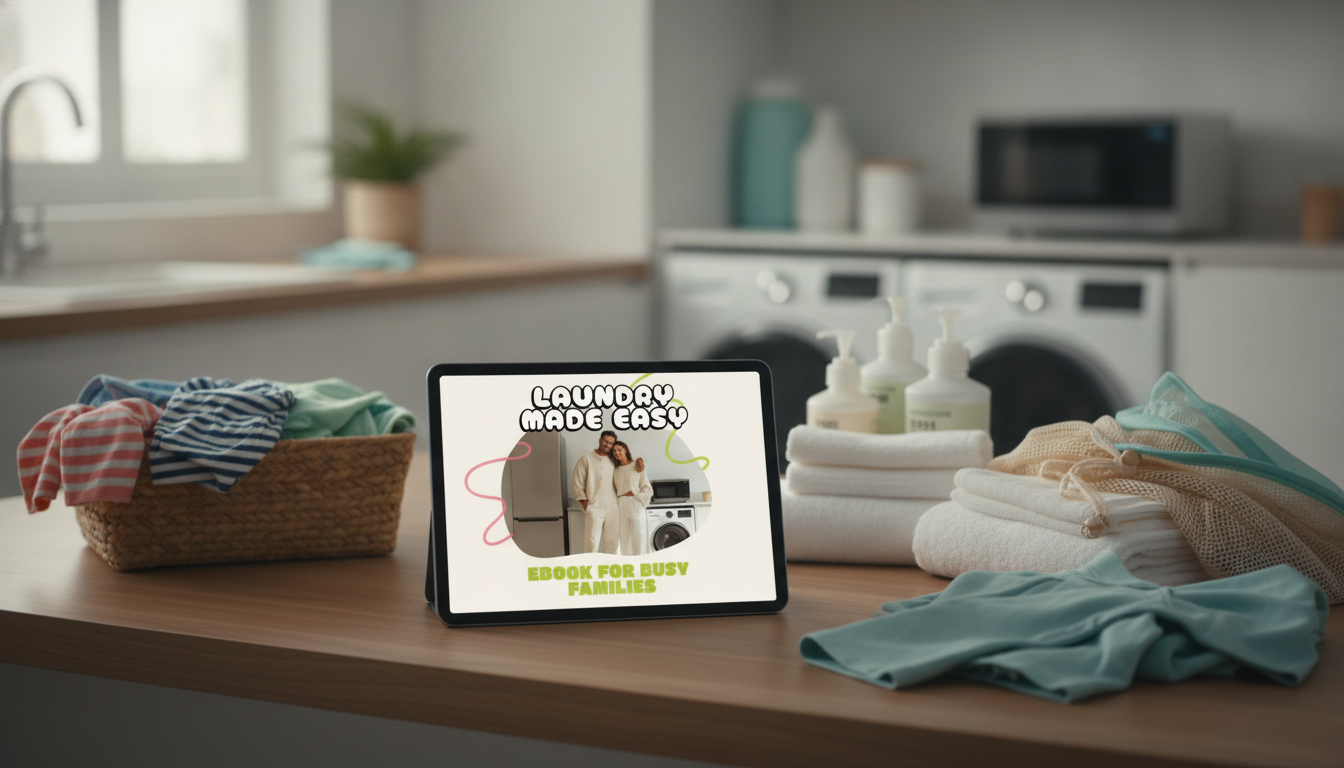
Laundry Made Easy: Smart Strategies for Busy Families
Laundry can feel endless in a busy household—especially when school routines, work schedules, sports gear, and bedding changes collide. A simple system (not perfection) helps families stay caught up with fewer late-night loads, less sorting drama, and cleaner results. This guide focuses on practical routines, quick resets, and kid-friendly habits that reduce the overall effort while keeping laundry moving. For more guidance, see How to Keep Up With Laundry – For Large and Small Families.
Why laundry piles up in busy households
In many families, laundry becomes “invisible work” until it turns into a big weekend project that steals rest time. The pile isn’t just about volume—it’s about friction. For further reading, see 14 Real Life Laundry Hacks for Moms – B-Inspired Mama.
- Too many decision points (sort now vs. later, where to fold, whose basket is whose) slow the process.
- Bottlenecks usually happen in the same places: hampers overflowing, the washer sitting full, and clean clothes that never make it back to drawers.
- A sustainable setup prioritizes flow: collect → wash → dry → fold/hang → put away, with fewer interruptions.
If you can reduce interruptions at each handoff, you’ll reduce the number of “restart” moments that make laundry feel heavier than it is.
Set up a low-effort laundry station
The goal is to make the next right step obvious. When supplies are within reach and sorting is automated, laundry becomes a series of tiny actions instead of a major event.
- Use multiple hampers (or a divided hamper) so sorting doesn’t become its own chore later.
- Keep a small stain kit where clothes come off—often the bathroom or laundry area: stain remover, a soft brush, and a spare towel.
- Designate one basket for “clean but not put away” so clean items don’t drift back into dirty piles.
- Create a simple supply zone: detergent, optional boosters, mesh bags, dryer balls, and a small trash bin for lint and packaging.
Simple station checklist
| Item | Purpose | Where it helps most |
|---|---|---|
| Two or more hampers (or divided hamper) | Pre-sorts laundry automatically | Morning/evening clothing changes |
| Mesh bags | Contain socks, delicates, baby items | Kids’ socks and small items |
| Stain spray + small brush | Treats stains before they set | Sports uniforms, food spills |
| One clean-clothes basket | Prevents re-dirtying and clutter | Bedrooms and hallways |
| Timer/reminder (phone or smart speaker) | Avoids forgotten wet loads | Washer-to-dryer handoff |
Choose a routine that matches real life
The best routine is the smallest one that prevents overflow. Instead of copying someone else’s “perfect schedule,” pick a rhythm that fits your week’s pressure points.
- Daily one-load rhythm: Works well with school-age kids, sports, and frequent outfit changes. One load a day keeps hampers from exploding.
- Theme-day approach: “Towels on Tuesday, sheets on Thursday” reduces decision fatigue because you already know what’s next.
- Hybrid routine: Daily loads on weekdays, plus a short catch-up block on the weekend (often 30–60 minutes).
- Start with the biggest pain point: Build around sports gear, towels, or uniforms first—whatever creates the most stress when it runs out.
If the week goes sideways, keep one rule: move laundry forward one step (wash to dry, dry to basket, basket to drawers). Progress beats backlog.
Make sorting and folding faster (without complicated rules)
Complex systems tend to collapse on busy days. Streamline decisions so anyone in the house can help without asking a dozen questions.
- Limit sorting to what truly matters: separate towels/linens when they shed or need hotter cycles; otherwise keep it simple.
- Use “family folding” methods: quick fold, roll, or hang—aim for consistency rather than perfect stacks.
- Reduce sock chaos with one mesh bag per child or a single sock bin; match once per week instead of every load.
- Keep hangers where folding happens, and hang items immediately to avoid re-folding later.
For items with uncertain stains, consider air-drying first so heat doesn’t set the mark permanently. The American Cleaning Institute’s laundry basics offers helpful guidance on common care practices.
Teach kids to help in age-appropriate ways
Kids can help without creating more work when tasks are clear, small, and consistent. The simplest family rule is also the most effective: a load isn’t done until it’s put away.
Prevent the most common laundry setbacks
For hygiene-focused situations (like dealing with illness in the home), the CDC’s laundry guidance can help you choose safer handling and cleaning steps.
A simple weekly reset plan
Helpful picks for a smoother routine
- Laundry Made Easy: Smart Strategies for Busy Families (digital eBook) for step-by-step routines, family-friendly systems, and quick reference checklists you can keep on your phone.
- Silicone Shampoo Brush Scalp Massager for Hair Washing & Relaxation for a simple, low-cost way to make the post-laundry shower feel like a reset—especially after sorting sports gear and towels.
What’s inside the Laundry Made Easy eBook
FAQ
How often should a busy family do laundry to stay caught up?
A daily one-load routine works well for many families, while a theme-day schedule can reduce decisions. If your week varies, use a hybrid plan: daily loads on weekdays plus a short weekend catch-up block to prevent overflow.
What’s the fastest way to keep clean clothes from piling up?
Use one dedicated clean-clothes basket and build a short daily “put away” habit (even 5–10 minutes). Simplify folding and hang items immediately so the finish line is always “in drawers or on hangers,” not “in a pile.”
How can kids help with laundry without creating more work?
Assign age-appropriate tasks and keep the system consistent: kids can sort by person, move loads, fold simple items, and put away their own clothes in labeled drawers. Clear locations and simple labels reduce questions and rework.
Recommended for you


Floral Washi Tape Set: Easy Planner & Journal Decor
Jun 29, 2026













Leave a comment