-
Shop
- Adidas
- Advanced Technologies
- AI Skills Mastery 2026 Collection
- Best-Sellers
- Car Accessories
- Dating & Social Skills
- Digital Resources
- AI Skills
- Beauty
- Budgeting & Saving
- Car Buying & Ownership
- Cozy Feast Collection
- Electronics & Technology
- Entrepreneurship & Business Growth
- Financial Education
- Financial Independence
- Financial Mindset & Psychology
- Goal Setting
- Hobbies
- Home Styling & Organization
- Leadership
- Mindfulness
- Mindset
- Parenting & Child Development
- Personal Style & Fashion
- Pet Lifestyle & Wellness
- Positive Thinking
- Sleep Improvement
- Smart Life with AI
- Stress Management & Relaxation
- Travel Planning
- Yoga & Fitness
- Yoga & Mind-Body Practices
- Education & Learning
- Family & Parenting
- Fashion
- Furniture
- Gadgets
- Health & Beauty
- Health & Wellness
- Home & Garden
- Jewelry
- Kids & Babies
- Kitchen
- Kitchen Best-Sellers
- Nike
- Patio, Lawn & Garden
- Personal Growth
- Pet Care
- Pet Supplies
- Pets
- Sport & Outdoors
- Travel
- Wealth
- YouTube Shorts Best-Sellers
- Popular
- Best deals
Electric Gua Sha Massager: 5–8 Minute Depuff Routine
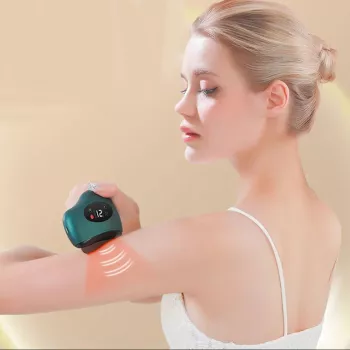
Electric Gua Sha Massager: Daily Sculpting Ritual for Face, Neck, and Shoulders
An electric gua sha massager blends the traditional scraping technique with steady vibration and consistent pressure, making it easier to build a repeatable routine for depuffing, relaxing tight areas, and supporting a smoother-looking complexion. The goal is gentle, controlled movement that feels soothing—not harsh scraping—paired with good slip and clean tools.
What an electric gua sha massager does (and what it doesn’t)
Used correctly, an electric gua sha massager is best understood as a comfort-and-consistency tool. It supports a “just enough” daily massage that can make your face and upper body feel looser and look less puffy for a short window.
- Supports short-term depuffing by encouraging fluid movement through gentle massage.
- Helps relax facial tension (jaw, brow, temples) and neck/shoulder tightness with consistent strokes.
- Can enhance the feel of skincare application by spreading product evenly and improving slip.
- Doesn’t replace medical treatment for skin conditions, swelling, or pain; persistent puffiness, facial weakness, or new swelling warrants medical advice.
- Results are typically subtle and temporary; consistency and technique matter more than intensity.
For a helpful overview of safety considerations around lymphatic-style massage, see Cleveland Clinic’s guidance on lymphatic drainage massage. For general skin care and avoiding irritation, the American Academy of Dermatology Association (AAD) is a reliable reference.
Who it’s best for
- Morning puffiness around under-eyes, cheeks, and jawline that improves with gentle movement.
- Desk-related tension in neck and shoulders that responds to light massage.
- People who want a guided, easy-to-repeat routine without manually maintaining pressure and rhythm.
- Anyone who prefers a tool that can be used for both face and upper body (neck, traps, forearms).
Who should be cautious or skip it
- Active acne flare-ups, open cuts, sunburn, dermatitis, or recently irritated skin (wait until skin calms).
- Recent injectables, peels, microneedling, or facial procedures—follow aftercare timelines from the provider.
- Bleeding disorders or blood-thinner use: keep pressure very light and avoid bruising; consult a clinician if unsure.
- Rosacea-prone skin: use minimal pressure, short sessions, and avoid triggering heat or friction.
How to use it: a simple 5–8 minute routine
A good session should feel like slow, supportive gliding—never like dragging or “scraping.” Plan to use enough product so the tool floats over skin.
- Prep: Cleanse and apply a facial oil/serum or moisturizer for glide; never use on dry skin.
- Neck first: Glide from collarbone upward toward jaw with very light pressure; keep strokes slow and even.
- Jawline: Move from chin toward ear; pause briefly at the area in front of the ear (gentle, no digging).
- Cheeks: Sweep from side of nose toward cheekbone and ear; keep tool nearly flat to avoid pinching.
- Under-eyes: Reduce intensity; use feather-light strokes from inner corner outward; avoid tugging.
- Forehead: Sweep from brows to hairline, then from center outward toward temples.
- Finish: Wipe tool clean; apply moisturizer/SPF if it’s morning.
- Frequency: 3–5 days per week to start; daily is fine if skin tolerates it and pressure stays gentle.
Pressure, speed, and slip: the three things that prevent irritation
If your skin is getting red and staying red, feeling hot, or looking bruised, something needs to get gentler. These three factors usually fix the issue fast.
- Pressure: Aim for “gliding” rather than “scraping”; redness should fade quickly and bruising is a sign to reduce force.
- Speed: Slow strokes allow more controlled movement; fast strokes increase friction and tugging.
- Slip: Add more product if the tool drags; friction is a common cause of sensitivity.
- Angle: Keep the tool close to parallel with the skin rather than perpendicular edges.
Care and cleaning
Electric vs. traditional gua sha stone: what changes
Quick comparison: electric vs. traditional gua sha
| Feature | Electric gua sha massager | Traditional gua sha tool |
|---|---|---|
| Effort | Lower (vibration supports the motion) | Higher (pressure and rhythm are fully manual) |
| Control | Consistent output, fewer variables | Highly customizable, technique-dependent |
| Best for | Quick daily routine; tension relief | Slow, mindful sessions; precise manual work |
| Common mistakes | Using too much pressure because it feels “stronger” | Uneven pressure or sharp angles causing tugging |
Spotlight: Electric Gua Sha Massager
If the goal is a dependable, low-effort routine, the Electric Gua Sha Massager is a budget-friendly option for building a consistent face-and-neck massage habit without overthinking technique. It works best paired with a slippery skincare step (oil/serum/moisturizer) and light pressure, especially for short sessions focused on depuffing and relaxing tension areas like the jaw, temples, and neck.
Small add-ons that make the routine easier
- Keep your tool visible: Set up a simple spot near your sink or vanity. Magnetic Hooks can help organize cables or hang a pouch/towel where you’ll actually use it.
- Designate a “tiny tray”: A small dish can hold hair ties, earrings, or a ring while you massage. The Cute Ceramic Cat Face Sauce Dish – Creative Small Condiment Plate works well as a quick catch-all on a bathroom counter.
Common mistakes and quick fixes
FAQ
Can an electric gua sha massager reduce face puffiness?
Gentle massage can temporarily reduce the look of puffiness by encouraging fluid movement, especially in the morning. Results are usually short-term and tend to look best when paired with consistent use, hydration, and solid sleep.
How often should an electric gua sha massager be used?
Start with 3–5 times per week for about 5–8 minutes, then adjust up to daily if your skin tolerates it well. Keep pressure light and maintain plenty of slip so the tool glides without dragging.
Is it safe to use an electric gua sha massager under the eyes?
It can be, as long as you use the lowest intensity and feather-light strokes with no tugging. Stop if irritation shows up, and skip the area entirely if the skin barrier is compromised or tender.












Leave a comment