-
Shop
- Adidas
- Advanced Technologies
- AI Skills Mastery 2026 Collection
- Best-Sellers
- Car Accessories
- Dating & Social Skills
- Digital Resources
- AI Skills
- Beauty
- Budgeting & Saving
- Car Buying & Ownership
- Cozy Feast Collection
- Electronics & Technology
- Entrepreneurship & Business Growth
- Financial Education
- Financial Independence
- Financial Mindset & Psychology
- Goal Setting
- Hobbies
- Home Styling & Organization
- Leadership
- Mindfulness
- Mindset
- Parenting & Child Development
- Personal Style & Fashion
- Pet Lifestyle & Wellness
- Positive Thinking
- Sleep Improvement
- Smart Life with AI
- Stress Management & Relaxation
- Travel Planning
- Yoga & Fitness
- Yoga & Mind-Body Practices
- Education & Learning
- Family & Parenting
- Fashion
- Furniture
- Gadgets
- Health & Beauty
- Health & Wellness
- Home & Garden
- Jewelry
- Kids & Babies
- Kitchen
- Kitchen Best-Sellers
- Nike
- Patio, Lawn & Garden
- Personal Growth
- Pet Care
- Pet Supplies
- Pets
- Sport & Outdoors
- Travel
- Wealth
- YouTube Shorts Best-Sellers
- Popular
- Best deals
Ceramic Round Plates That Elevate Dining and Serving
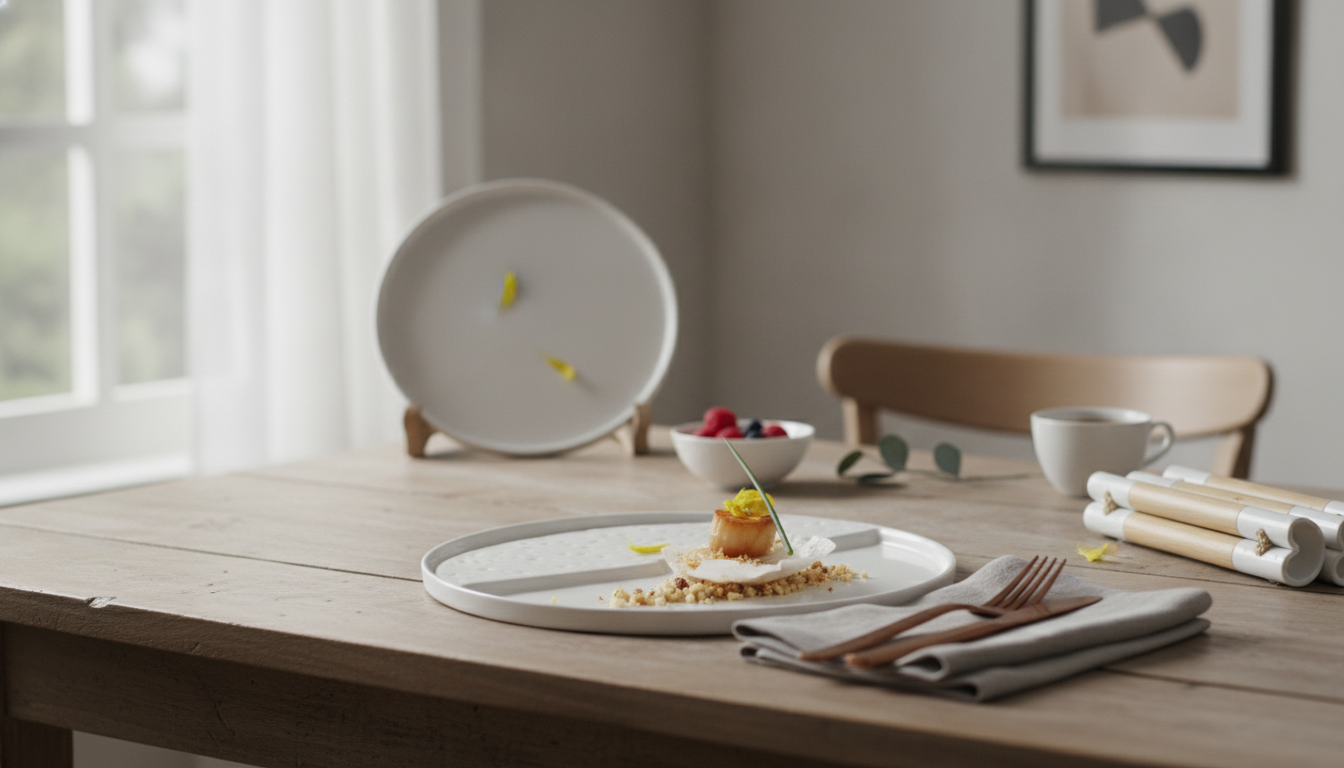
Elegant Ceramic Round Plates for Decorative Dining and Effortless Serving
Elegant ceramic round plates can move seamlessly from everyday meals to special occasions, doubling as decorative dinnerware and as serving trays for shared dishes. The right set elevates plating, protects tabletops, and makes entertaining feel more intentional—whether used for appetizers, desserts, bread service, or as a display base for candles and seasonal décor.
What Makes Ceramic Round Plates Feel Elegant
“Elegant” isn’t just about a pretty pattern—it’s the combination of proportion, finish, and how a plate performs when it’s actually in your hands. Ceramic is especially good at delivering that upscale look because it takes glaze beautifully and has a satisfying, substantial feel on the table.
- Balanced proportions: A comfortable rim width, stable base, and a silhouette that frames food without crowding it. That framed look helps simple meals feel more composed.
- Finish and glazing: A smooth, even glaze with a consistent sheen reads polished. Subtle texture can add depth while still wiping clean after sauces or oils.
- Color and pattern: Neutrals feel timeless, soft tones suit modern tables, and statement motifs shine when you’re serving a centerpiece dish or dessert assortment.
- Weight and hand-feel: Premium plates feel sturdy, but they shouldn’t be so heavy that daily use becomes a chore—especially when you’re carrying multiple plates from kitchen to patio.
Decorative Dinnerware That Still Works for Real Life
Decorative dinnerware earns its keep when it looks special without demanding special treatment. For most homes, the sweet spot is a plate you can style for guests yet still reach for on a Tuesday morning.
- Everyday practicality: With normal care, a well-glazed ceramic surface should resist staining from tomato sauce, coffee, tea, and oily dressings.
- Stackability: Look for a rim shape and foot ring that stacks securely to help reduce cabinet scuffs and the tiny edge chips that happen when pieces slide.
- Versatile use cases: Think beyond dinner—breakfast pastries, side salads, share plates, charcuterie accents, and dessert plating all benefit from a cohesive set.
- Table styling: Layer plates with placemats or chargers, add linen napkins, and mix flatware finishes (brushed, gold-tone, matte black) to complement seasonal décor without changing the whole set.
Serving-Tray Uses: From Appetizers to Centerpieces
Round plates aren’t limited to individual place settings. A slightly larger ceramic plate can stand in as a low-profile serving tray—clean, cohesive, and easy to store.
- Entertaining: Serve cheese, fruit, tapas, cookies, or sushi with a unified look that makes a spread feel curated instead of cluttered.
- Coffee table hosting: Use a plate as a tidy base for cups, spoons, and small bites so you can relocate everything at once without drips or crumbs migrating.
- Home décor: Style it as a catchall for keys, a candle plate, or a foundation for a vase arrangement (helping keep wax and water contained).
- Portion-friendly presentation: Group items with intentional negative space—this small choice creates a high-end, restaurant-like feel even for casual snacks.
Sizing Guide: Choosing the Right Plate for the Moment
Size affects both function and how “luxurious” your table looks. Too small and food feels crowded; too large and portions can look sparse unless you style with space intentionally. Consider building a mix so you can plate consistently across courses.
Common Round Plate Sizes and Best Uses
| Size range | Best for | Styling tip |
|---|---|---|
| 6–8 in (small) | Dessert, bread, appetizers | Pair with a contrasting napkin to make patterns pop. |
| 8–10 in (medium) | Everyday meals, salads, brunch plates | Layer on a placemat for a clean, modern look. |
| 10–12+ in (large) | Main courses, serving platters, party spreads | Leave a wide margin to create a refined presentation. |
Care and Safety: Keeping Ceramic Beautiful
- Cleaning: Mild soap and soft sponges help preserve glaze; avoid abrasive pads that can dull shine over time.
- Stain prevention: Rinse soon after acidic or strongly pigmented foods (tomato, turmeric, berries), then wash normally.
- Heat and thermal shock: Avoid sudden temperature changes (like very hot water on a cold plate) to reduce cracking risk.
- Food-contact confidence: Buy from reputable sellers and follow care labels. For additional background on food-contact materials, see the U.S. Food & Drug Administration (FDA) guidance on food contact substances. For consumer awareness around lead exposure sources, the CDC’s resource on lead in consumer products is a helpful reference.
Featured Picks for a Cohesive, Elevated Host Setup
-
Best for decorative dining + serving:
Elegant Ceramic Round Plates – Decorative Dinnerware & Serving Trays
Designed to shift from dinnerware to share-plate serving, these are an easy foundation for everyday meals, gifting, and seasonal refreshes—without overcomplicating your table styling. -
Hands-free hosting essential:
Genuine Leather Women’s Crossbody Shoulder Bag – Minimalist Luxury Style
For dinner parties, markets, or potlucks, a streamlined crossbody keeps your hands free for carrying dishes, flowers, or a dessert box—while still looking polished.
FAQ
Can ceramic plates be used as serving trays for appetizers and desserts?
Yes—larger round plates work well as share platters for small bites, pastries, fruit, or cheese. Choose a size that leaves space around the food for easier carrying and a neater presentation.
How should ceramic plates be cleaned to keep the glaze looking new?
Use mild dish soap and a non-abrasive sponge, rinse promptly after strongly colored foods, and avoid harsh scouring that can dull the finish over time.
What size plate is best for a decorative centerpiece base?
A large plate (10–12+ in) provides a stable footprint for candles, vases, or seasonal décor. Add a protective layer under items that may scratch or trap moisture.
Recommended for you

$100 Envelope Savings: Simple Steps to Save Weekly
Jun 30, 2026










Leave a comment