-
Shop
- Adidas
- Advanced Technologies
- AI Skills Mastery 2026 Collection
- Best-Sellers
- Car Accessories
- Dating & Social Skills
- Digital Resources
- AI Skills
- Beauty
- Budgeting & Saving
- Car Buying & Ownership
- Cozy Feast Collection
- Electronics & Technology
- Entrepreneurship & Business Growth
- Financial Education
- Financial Independence
- Financial Mindset & Psychology
- Goal Setting
- Hobbies
- Home Styling & Organization
- Leadership
- Mindfulness
- Mindset
- Parenting & Child Development
- Personal Style & Fashion
- Pet Lifestyle & Wellness
- Positive Thinking
- Sleep Improvement
- Smart Life with AI
- Stress Management & Relaxation
- Travel Planning
- Yoga & Fitness
- Yoga & Mind-Body Practices
- Education & Learning
- Family & Parenting
- Fashion
- Furniture
- Gadgets
- Health & Beauty
- Health & Wellness
- Home & Garden
- Jewelry
- Kids & Babies
- Kitchen
- Kitchen Best-Sellers
- Nike
- Patio, Lawn & Garden
- Personal Growth
- Pet Care
- Pet Supplies
- Pets
- Sport & Outdoors
- Travel
- Wealth
- YouTube Shorts Best-Sellers
- Popular
- Best deals
Find Lookalike Clothes Fast With AI Visual Search Tools
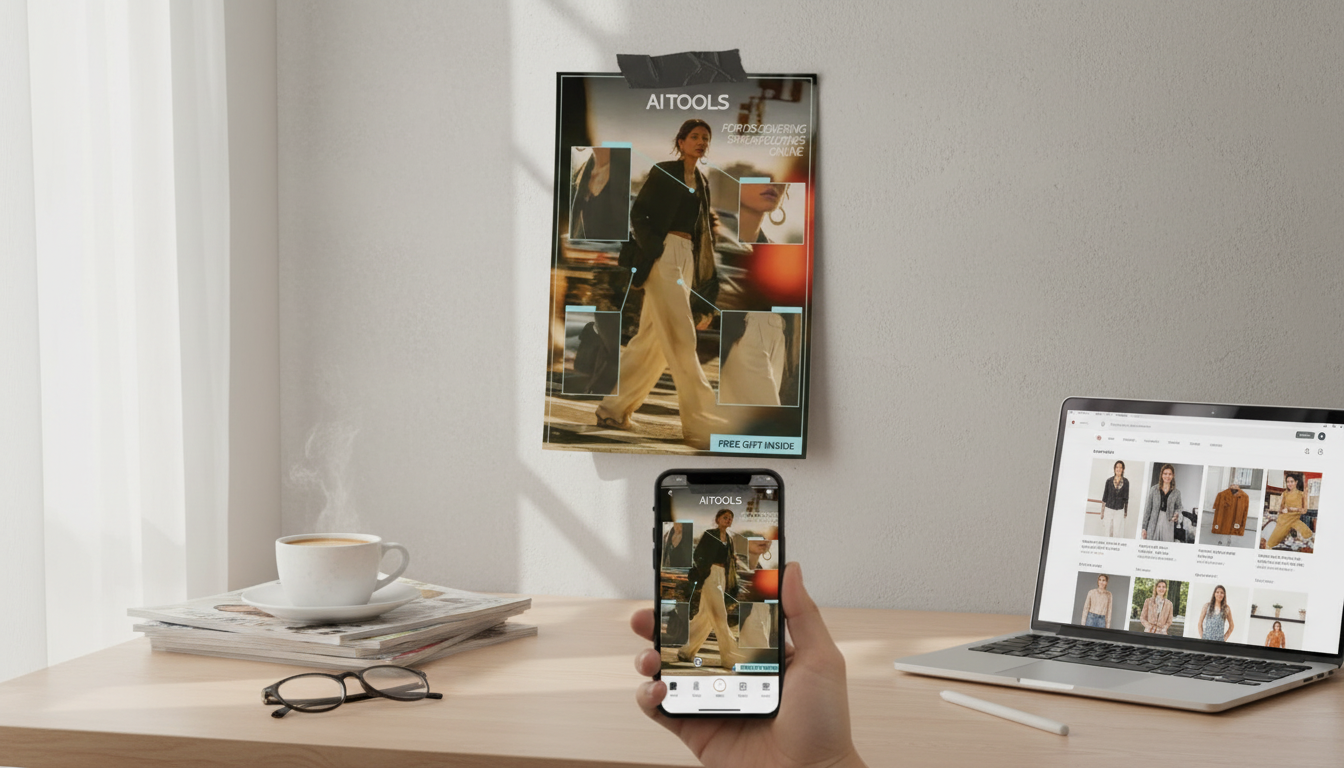
AI Tools for Discovering Similar Clothes Online: A Smart Guide to Finding Lookalike Outfits
Finding a lookalike outfit online can feel like searching for a needle in a haystack—especially when the exact item is sold out, unbranded, or only seen in a photo. AI-powered visual search and recommendation tools make it easier to match silhouettes, fabrics, colors, and details across thousands of listings. This guide breaks down practical ways to use these tools, how to get better matches, and how to judge whether a “similar” item will actually look right when it arrives.
What “similar” really means in fashion matching
“Similar” can mean anything from “same vibe” to “nearly identical.” Before you search, decide what matters most so the AI (and your filters) can do the heavy lifting.
- Set your priority order: silhouette (shape and cut), color family, pattern, fabric texture, then key details (neckline, hem, hardware, pockets).
- Know the difference: a lookalike is visually close; a dupe aims to be close plus similar quality/brand positioning; inspired keeps the vibe but changes construction.
- Pick non-negotiables first: length, fit type (oversized vs. fitted), sleeve style, rise/waist height, and closure type.
- Treat color as a range: lighting and filters can shift tone. Confirm with multiple photos and, when possible, customer uploads.
Best ways to use AI to find lookalike outfits
AI works best when it sees exactly what you want it to match. The goal is to reduce “visual noise” and feed the tool clean, specific references.
- Start with visual search: upload a clear photo, crop tightly around the garment, and remove background clutter for cleaner results.
- Use a reference item plus text filters: after the AI returns similar items, refine by material, size range, price, and shipping region.
- Run two searches: one with the full outfit, and one with only the statement piece (like a jacket or dress) so accessories don’t hijack the match.
- Try multiple angles: use a front view for shape, a close-up for texture, and a detail shot for buttons/prints to improve recognition.
- Reduce pose distortion: if the original is on a model, also search with a flat-lay or mannequin photo if available.
Popular starting points include Google Lens, Pinterest Lens, and Bing Visual Search. Each may surface different stores, so it can be worth running the same cropped image across more than one tool.
A quick workflow that improves match accuracy
A consistent workflow produces better results than endlessly scrolling one set of recommendations. Use this repeatable process to get closer matches with fewer returns.
- Capture or select the best source image: sharp, well-lit, minimal motion blur.
- Crop to one item at a time: repeat for top, bottom, shoes, and bag.
- Extract attributes manually: fabric guess, pattern name, neckline, length, and any unique construction detail.
- Combine AI results with attribute filters: prioritize listings with multi-angle images and measurements.
- Validate with product details: fiber content, care label, lining, closure, and size chart.
Match Targets to Check Before Buying a Lookalike
| Match target | What to compare | Common pitfall | Quick fix |
|---|---|---|---|
| Silhouette | Fit, drape, and proportion (waist placement, leg shape, shoulder width) | Looks similar on a hanger but fits differently on-body | Check model measurements and garment measurements |
| Fabric & texture | Fiber content, weave/knit, thickness, shine | Photo makes polyester look like silk or wool | Look for close-ups and read material composition |
| Color | Undertone (warm/cool), saturation, depth | Lighting shifts the shade dramatically | Compare across multiple photos; search by color family |
| Details | Buttons, zipper placement, seams, pockets, collar/neckline | Small differences change the whole vibe | Zoom in; search using the detail term (e.g., “puff sleeve”, “contrast trim”) |
| Quality signals | Lining, stitching, hardware, reviews | A cheap lookalike feels flimsy | Prefer listings with interior photos and verified reviews |
Turning one great match into a full look
Once you find a strong match for the main garment, it’s easier to build a cohesive outfit that reads “intentional” instead of “almost.”
- Start with the hardest piece: coats, dresses, and statement shoes usually drive the outfit’s identity.
- Use AI “similar items” for complements: once the hero item is set, search accessories by color and material (for example, “black pebbled leather”).
- Keep proportions consistent: if the reference look is cropped-on-top and high-waisted, replicate that ratio even if the exact items differ.
- Limit the palette: two neutrals plus one accent color reduces mismatch risk across sellers.
- Save and compare: shortlist options, then compare measurements and return policies side-by-side before purchasing.
Avoiding common traps: photos, sizing, and “almost the same” listings
A simple add-on that makes lookalike outfits feel intentional
Shop a polished finishing touch (in stock)
- Genuine Leather Women’s Crossbody Shoulder Bag – Minimalist Luxury Style
- Calvin Klein Jeans Women’s Black and Pink Printed Shoulder Bag
Recommended resource: a practical guide to using AI for similar-clothes discovery
- AI Tools for Discovering Similar Clothes Online | Smart Fashion Guide for Finding Lookalike Outfits with AI Tools for a step-by-step reference on refining results, comparing details, and reducing mismatch risk when shopping across multiple stores.
FAQ
What’s the best way to get accurate results from an AI clothing search?
Use a sharp, well-lit image, crop to one garment, and remove background distractions. Run separate searches for texture or key details, then refine with filters like material, color family, and length.
How can a lookalike item still end up looking different in real life?
Fabric weight, lining, and cut can change how the piece drapes, and lighting can shift color. Confirm fiber content, measurements, multi-angle photos, and reviews before buying.
Is visual similarity enough when shopping for a “dupe”?
Not always—construction and finishing matter. Compare stitching, lining, and hardware, and check return policies so a visually close item doesn’t disappoint in quality.












Leave a comment