-
Shop
- Adidas
- Advanced Technologies
- AI Skills Mastery 2026 Collection
- Best-Sellers
- Car Accessories
- Dating & Social Skills
- Digital Resources
- AI Skills
- Beauty
- Budgeting & Saving
- Car Buying & Ownership
- Cozy Feast Collection
- Electronics & Technology
- Entrepreneurship & Business Growth
- Financial Education
- Financial Independence
- Financial Mindset & Psychology
- Goal Setting
- Hobbies
- Home Styling & Organization
- Leadership
- Mindfulness
- Mindset
- Parenting & Child Development
- Personal Style & Fashion
- Pet Lifestyle & Wellness
- Positive Thinking
- Sleep Improvement
- Smart Life with AI
- Stress Management & Relaxation
- Travel Planning
- Yoga & Fitness
- Yoga & Mind-Body Practices
- Education & Learning
- Family & Parenting
- Fashion
- Furniture
- Gadgets
- Health & Beauty
- Health & Wellness
- Home & Garden
- Jewelry
- Kids & Babies
- Kitchen
- Kitchen Best-Sellers
- Nike
- Patio, Lawn & Garden
- Personal Growth
- Pet Care
- Pet Supplies
- Pets
- Sport & Outdoors
- Travel
- Wealth
- YouTube Shorts Best-Sellers
- Popular
- Best deals
Budget Plan to Get Out of Debt: Simple Steps That Work
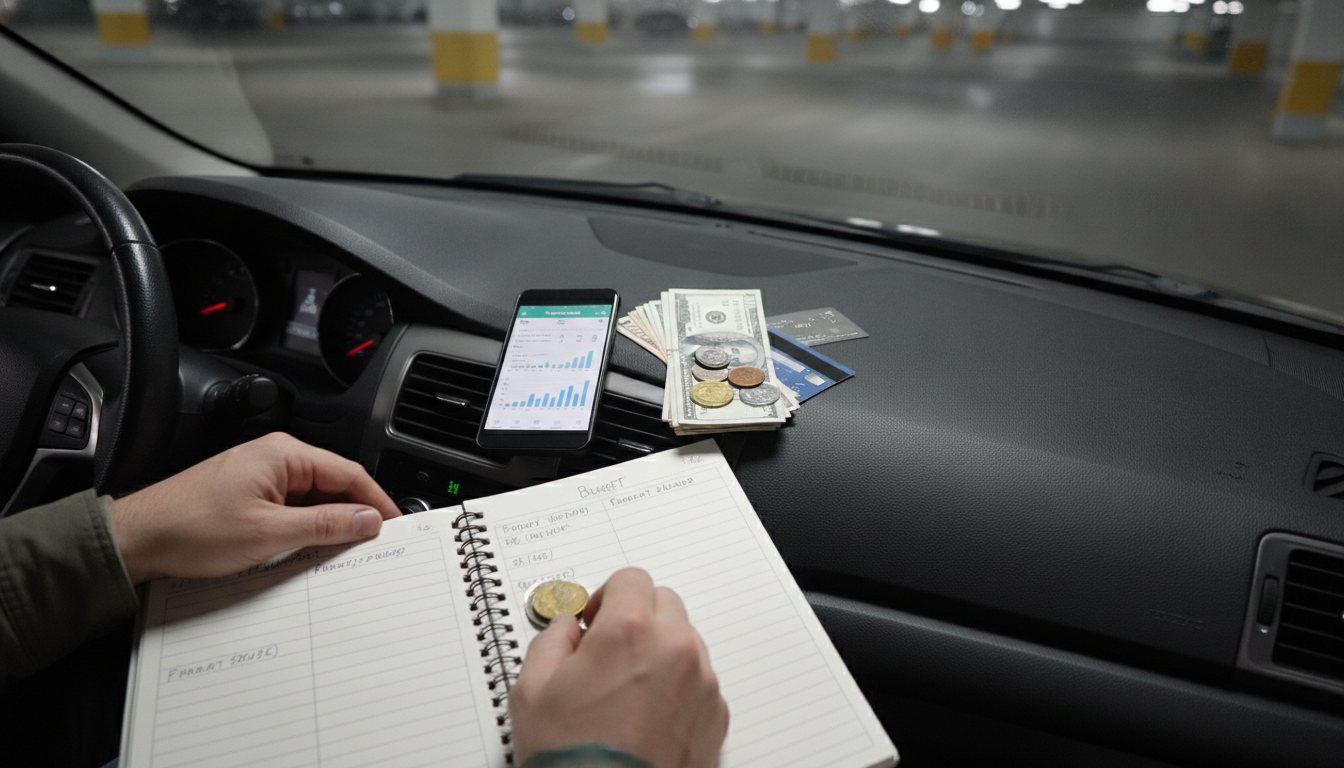
How to make a budget to get out of debt?
A debt-payoff budget is less about restricting everything and more about giving every dollar a job—especially the dollars that can shrink what you owe. The goal is to cover essentials, stop new debt, and consistently create a monthly surplus you can send to balances.
1) Get crystal clear on your numbers
Start with your take-home income (after taxes and deductions). Then list every required expense: housing, utilities, groceries, transportation, insurance, minimum debt payments, and any court-ordered or fixed obligations. Use the last 30–60 days of bank and card statements so you don’t miss “small” expenses that add up.
2) Choose a simple budgeting method
If you like structure, try a zero-based budget: income minus planned expenses equals zero. That doesn’t mean you spend everything—it means you assign leftover money to specific goals like “extra credit card payment,” “starter emergency fund,” or “next month’s rent.” If you prefer categories, use a needs/wants/debt split, but keep it realistic so you can stick with it.
3) Build a starter emergency buffer
A small cushion (even $500–$1,000) helps prevent new charges when life happens—tires, copays, or a broken phone. Put this in place while still making minimum payments, then shift your focus to aggressive payoff.
4) Create a monthly “debt accelerator” line item
After minimum payments and necessities, decide a fixed extra amount you’ll pay toward debt each month. Treat it like a bill. If your budget is tight, “find” the accelerator by negotiating bills, pausing subscriptions, lowering grocery spend with a simple meal plan, or selling unused items.
5) Pick a payoff strategy and automate it
Use either the debt snowball (smallest balance first) for momentum or the avalanche (highest interest first) to pay less interest overall. Automate minimum payments and schedule the extra payment right after payday so it doesn’t get spent elsewhere.
For a step-by-step checklist and practical templates, see this debt-busting budget guide.
FAQ
How much should I save before paying off debt?
Many people start with a small emergency fund (often $500–$1,000) to avoid new debt from surprises, then focus on paying down high-interest balances while continuing to rebuild savings over time.















Leave a comment