-
Shop
- Adidas
- Advanced Technologies
- AI Skills Mastery 2026 Collection
- Best-Sellers
- Car Accessories
- Dating & Social Skills
- Digital Resources
- AI Skills
- Beauty
- Budgeting & Saving
- Car Buying & Ownership
- Cozy Feast Collection
- Electronics & Technology
- Entrepreneurship & Business Growth
- Financial Education
- Financial Independence
- Financial Mindset & Psychology
- Goal Setting
- Hobbies
- Home Styling & Organization
- Leadership
- Mindfulness
- Mindset
- Parenting & Child Development
- Personal Style & Fashion
- Pet Lifestyle & Wellness
- Positive Thinking
- Sleep Improvement
- Smart Life with AI
- Stress Management & Relaxation
- Travel Planning
- Yoga & Fitness
- Yoga & Mind-Body Practices
- Education & Learning
- Family & Parenting
- Fashion
- Furniture
- Gadgets
- Health & Beauty
- Health & Wellness
- Home & Garden
- Jewelry
- Kids & Babies
- Kitchen
- Kitchen Best-Sellers
- Nike
- Patio, Lawn & Garden
- Personal Growth
- Pet Care
- Pet Supplies
- Pets
- Sport & Outdoors
- Travel
- Wealth
- YouTube Shorts Best-Sellers
- Popular
- Best deals
Smudge-Free Dashboard Cleaning for Screens & Soft-Touch
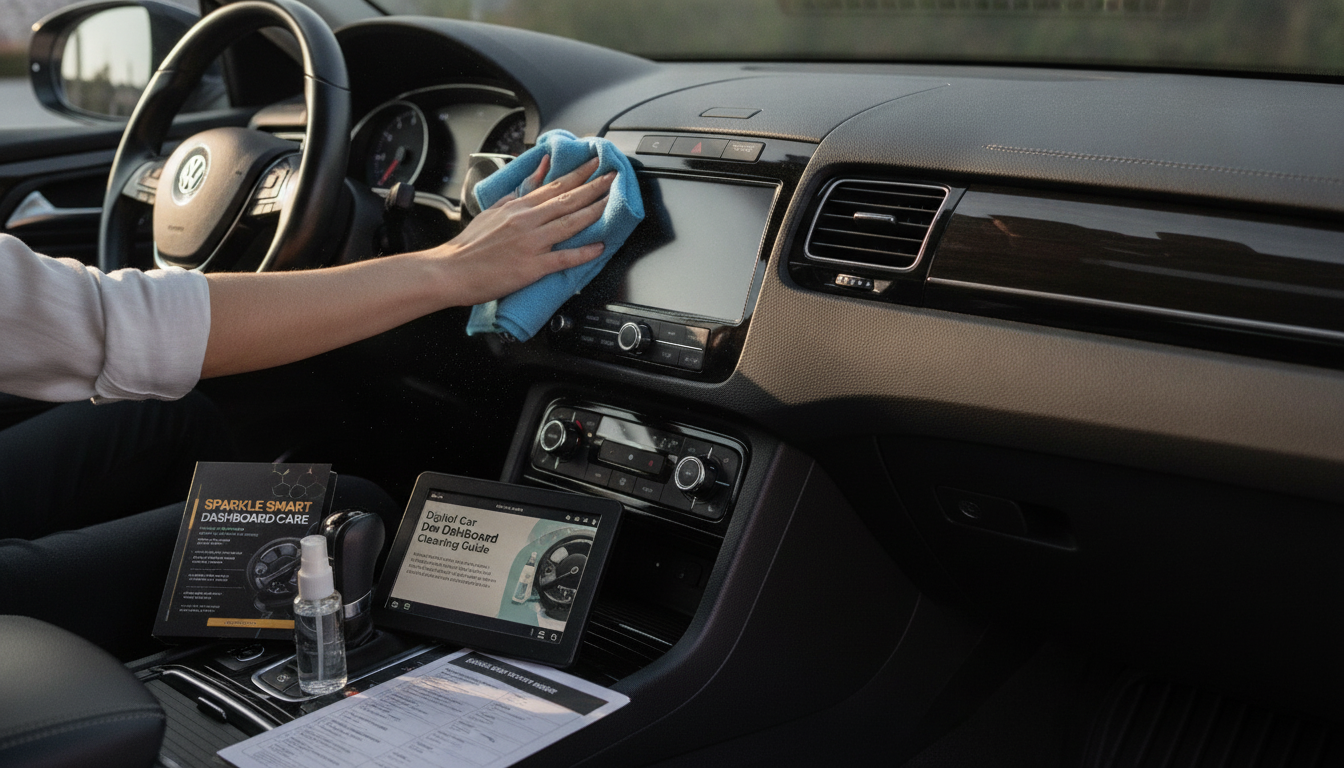
Sparkle Smart Dashboard Care: A Safe, Smudge-Free Routine for Modern Car Interiors
A clean dashboard is about more than shine—modern interiors mix plastics, soft-touch coatings, leather, vinyl, and sensitive screens that can haze, scratch, or discolor when treated like old-school trim. The goal is a routine that removes oils and grime without grinding dust into delicate surfaces or leaving a slick, glare-prone finish. Below is a practical, low-risk approach for cleaning, protecting, and maintaining dashboards and cockpit surfaces, plus a checklist that helps keep buildup from coming back.
Why dashboards get dirty (and why some finishes “hate” common cleaners)
Most dashboard “dirt” isn’t just dirt. It’s a mix of dry dust (which can be abrasive), skin oils, sunscreen residue, and a light off-gassing film that settles on plastics and screens—especially in hot weather. That combination is why a dashboard can look dull even when it “seems” dust-free.
Modern glossy piano-black trim and infotainment screens also reveal micro-scratches quickly. A dry wipe with the wrong cloth can act like sandpaper, especially if grit is present. On top of that, many household “all-purpose” sprays contain ammonia, alcohol, or strong solvents that can dull clear plastics, streak screens, and degrade coatings over time.
Heat and UV exposure add one more complication: products can flash-dry on hot surfaces, leaving residue and streaks. The same cleaner that feels fine in winter can become a problem when it evaporates too fast in summer.
Tools and products that keep cleaning gentle and effective
A safe routine doesn’t require a cabinet full of chemicals—just the right basics and the discipline to keep them clean.
- Microfiber towels: Keep at least two types—one plush towel for initial dusting and one tighter-weave towel for final buffing.
- Soft detailing brushes: Ideal for vents, seams, and button edges. Use light pressure so you lift dust rather than push grit deeper.
- A pH-balanced interior cleaner: Generally safer for plastics and vinyl than harsh degreasers. Spot-test in a hidden area first.
- Distilled water in a spray bottle: Helps reduce streaking and mineral spots, especially for final wipe-downs.
- Optional UV protectant: Choose one labeled for interior plastics/vinyl and pick a matte or satin finish to reduce windshield glare.
For product guidance that’s specific to your vehicle, it’s worth checking your manufacturer’s recommendations in the owner’s manual. The NHTSA owner’s manual portal can help you locate the right documentation: https://www.nhtsa.gov/vehicle-owners.
Material-by-material safety guide (what to use and what to avoid)
Dashboards often combine multiple materials within inches of each other. Treat each surface based on its risk level:
- Plastics/vinyl: Use a dedicated interior cleaner or a mild soap solution. Avoid strong solvents that can dry and discolor surfaces.
- Soft-touch coatings: Use minimal product and a damp microfiber. Aggressive scrubbing can create shiny “burnished” patches.
- Leather-wrapped dash panels: Use a leather-safe cleaner/conditioner as directed. Avoid soaking seams where adhesives and stitching live.
- Clear instrument cluster lenses: Treat like eyewear—distilled water and gentle pressure. Avoid ammonia and rough towels.
- Infotainment screens: Follow the vehicle manual. Often, a microfiber lightly dampened with water is the safest option; avoid paper towels and glass cleaners.
Dashboard surfaces: safe choices vs common mistakes
| Surface | Safer approach | Avoid |
|---|---|---|
| Plastics & vinyl | pH-balanced interior cleaner; light agitation with microfiber | solvents, heavy degreasers, soaking switches |
| Soft-touch trim | damp microfiber; blot/wipe gently | scrubbing, stiff brushes, alcohol-heavy sprays |
| Clear plastics (cluster lens) | distilled water + microfiber; very light pressure | ammonia, paper towels, dry wiping |
| Infotainment screen | manufacturer guidance; microfiber lightly dampened | glass cleaner, abrasive cloths, excessive pressure |
| Vents & seams | soft brush + vacuum; wipe after loosening dust | blasting liquid into vents, sharp tools |
Step-by-step: a quick clean that avoids streaks and scratches
If you want a repeatable routine you can save to your phone (including sequencing and pressure reminders for mixed materials), the Sparkle Smart Dashboard Care digital download organizes the process into quick, low-risk steps.
Dealing with common problems: shine, sticky residue, and mystery spots
Protection that doesn’t create glare or attract dust
For occasional disinfection of high-touch areas, use products as directed and avoid overuse on sensitive finishes. The EPA’s guidance on selecting disinfectants can be a helpful reference: https://www.epa.gov/pesticide-registration/list-n-disinfectants-coronavirus-covid-19.
A smart maintenance cadence (the checklist approach)
For broader car care maintenance tips, the Car Care Council is a solid reference: https://carcare.org/car-care-tips/.
Small setup upgrades that make the routine easier
A frictionless routine is one you’ll actually keep. One simple trick is storing microfiber towels and interior tools where you can grab them quickly. Magnetic Hooks can help keep towels and lightweight brushes off the floor of the garage or utility shelf (clean tools stay cleaner, which means fewer accidental scratches).
FAQ
Can glass cleaner be used on dashboard screens and instrument clusters?
Check your vehicle manual first, since many glass cleaners contain ammonia or alcohol that can damage coatings. In many cases, a clean microfiber lightly dampened with water is the safest approach, using very light pressure.
How can a dashboard be cleaned without making it shiny or greasy?
Use a pH-balanced interior cleaner sparingly, spray it onto the towel (not the dash), and buff dry with a second microfiber. If you use a protectant, pick a matte/satin finish and wipe off any excess to reduce glare and dust attraction.
What’s the safest way to clean dust from vents and buttons?
Use a soft detailing brush with gentle strokes while vacuuming to capture loosened dust. Avoid blasting liquid into vents; finish with a lightly damp microfiber wipe.
Recommended for you



Learn From Mistakes Fast: Regulate, Reflect, Rebuild
Jun 12, 2026
Guess Women’s Black Zip-Up Jacket: Fit, Style & Care
Jun 13, 2026













Leave a comment