-
Shop
- Adidas
- Advanced Technologies
- AI Skills Mastery 2026 Collection
- Best-Sellers
- Car Accessories
- Dating & Social Skills
- Digital Resources
- AI Skills
- Beauty
- Budgeting & Saving
- Car Buying & Ownership
- Cozy Feast Collection
- Electronics & Technology
- Entrepreneurship & Business Growth
- Financial Education
- Financial Independence
- Financial Mindset & Psychology
- Goal Setting
- Hobbies
- Home Styling & Organization
- Leadership
- Mindfulness
- Mindset
- Parenting & Child Development
- Personal Style & Fashion
- Pet Lifestyle & Wellness
- Positive Thinking
- Sleep Improvement
- Smart Life with AI
- Stress Management & Relaxation
- Travel Planning
- Yoga & Fitness
- Yoga & Mind-Body Practices
- Education & Learning
- Family & Parenting
- Fashion
- Furniture
- Gadgets
- Health & Beauty
- Health & Wellness
- Home & Garden
- Jewelry
- Kids & Babies
- Kitchen
- Kitchen Best-Sellers
- Nike
- Patio, Lawn & Garden
- Personal Growth
- Pet Care
- Pet Supplies
- Pets
- Sport & Outdoors
- Travel
- Wealth
- YouTube Shorts Best-Sellers
- Popular
- Best deals
Mesh Back Stacking Chairs: Comfort, Storage, Durability
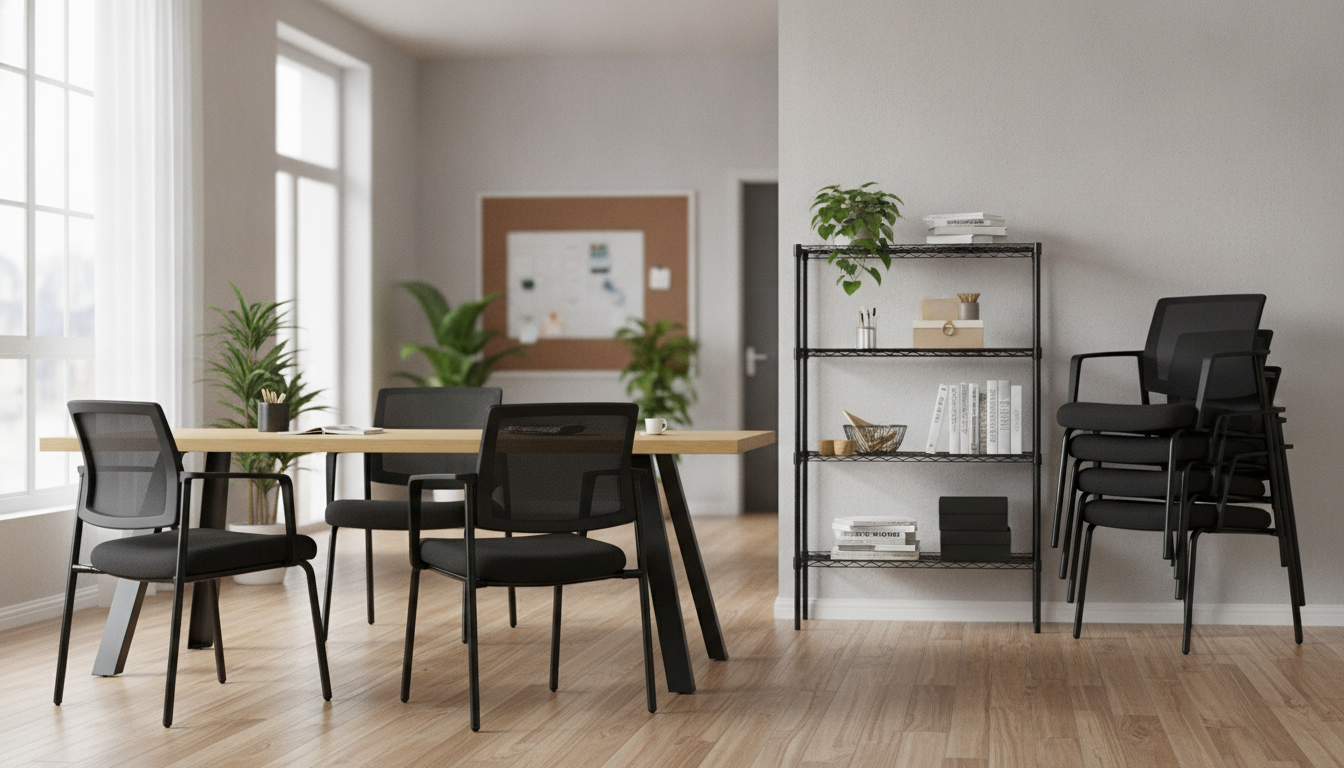
Mesh Back Stacking Chairs for Flexible, Comfortable Seating
Mesh back stacking chairs balance breathability, quick room resets, and compact storage—making them a practical choice for training rooms, community spaces, event venues, waiting areas, and overflow seating at home. The right set feels comfortable for long sessions, stacks neatly without scuffing, and holds up to frequent moving, cleaning, and daily use.
Where Mesh Back Stacking Chairs Work Best
When a room needs to change roles quickly—classroom at 9 a.m., meeting at noon, event seating at 6 p.m.—stacking chairs keep the transition smooth. A mesh back design also keeps the seating visually light, which can help smaller rooms feel less crowded.
- Training rooms and classrooms: breathable backs help reduce heat buildup during longer sessions.
- Conference and meeting spaces: easy to bring in extra seating, then clear the room quickly.
- Community centers and event venues: stacking simplifies storage between events and helps staff reset layouts fast.
- Waiting rooms and reception areas: a lighter visual profile than bulky upholstered chairs, with easy wipe-down surfaces.
- Home offices and multipurpose rooms: useful as spare seating that stores compactly when not needed.
If you’re outfitting a multi-use room, a dependable baseline option is Mesh Back Stacking Chairs, designed for frequent setup and teardown without committing you to permanent layouts.
Comfort Features That Matter for Longer Sitting
Not all stacking chairs are built for the same “comfort window.” For quick turnover seating, minimal padding may be fine. For workshops, lectures, and recurring meetings, small design details make a noticeable difference by the 45-minute mark.
- Mesh back tension: look for supportive mesh that doesn’t sag and provides gentle flex for the upper back.
- Seat shape and edge: a waterfall front edge can reduce pressure behind the knees.
- Seat padding: adequate foam density helps comfort without becoming bulky for stacking.
- Back height and contour: a mid-back profile can support the shoulder blades for typical meeting posture.
- Armrests (if included): helpful for accessibility and comfort, but can reduce stack density and increase storage space needed.
For comfort guidance tied to real-world sitting and task posture, consult OSHA’s ergonomics overview and the CDC/NIOSH ergonomics resources. They’re useful references when selecting seating for longer sessions or mixed user groups.
Durability and Stability for High-Traffic Use
Stacking chairs often fail from the same causes: constant dragging, rushed stacking, and repeated “quick moves” between rooms. Prioritizing stability and materials up front can reduce wobble, noise, and premature wear—especially in facilities where chairs are handled by many different people.
- Frame construction: steel or reinforced frames tend to handle frequent moving and stacking better than lightweight builds.
- Fasteners and joints: tight tolerances reduce wobble over time; check that connections feel solid when rocking gently.
- Glides or casters: non-marring glides protect floors; casters can help in training rooms but may reduce stability for some users.
- Weight capacity: choose a rating appropriate for the intended audience and setting.
- Finish and corrosion resistance: powder-coated or treated metal helps resist scratches and moisture in multipurpose spaces.
Small “support items” can also protect your setup during busy turnover. For example, Magnetic Hooks can help keep temporary signs, stanchion ropes, or lightweight accessories off chairs and floors during events—reducing clutter that often causes scuffs and trips.
Stacking, Storage, and Room Reset Practicalities
A chair can look perfect on paper and still become a daily headache if storage is tight or stacks are awkward to maneuver. Planning the stack footprint and the route to storage (door widths, corners, elevator access) saves time every day.
- Stack height: confirm how many chairs can stack safely, and ensure storage closets can accommodate the stack height.
- Footprint per stack: plan aisle clearance and storage bay dimensions (including space to maneuver stacks).
- Stacking bumpers/spacers: helps prevent scuffs and protects mesh and frame surfaces when chairs nest together.
- Lift and carry points: a chair that’s easy to grip speeds setup and teardown for events and classes.
- Floor protection: verify glides suit your flooring type (tile, wood, LVT, carpet) to reduce noise and scratches.
Quick Fit Checklist for a Room and Storage Plan
| Decision point | What to measure/confirm | Why it helps |
|---|---|---|
| Stack capacity | Max chairs per stack and safe stacking guidance | Prevents tipping and makes storage predictable |
| Storage height | Ceiling/closet clearance for a full stack | Avoids blocked doors, sprinklers, or low soffits |
| Floor type | Glide material and floor protection needs | Reduces marks and improves movement |
| User comfort window | Typical session length and user mix | Guides seat padding and back support needs |
| Traffic level | Daily moves, event turnover frequency | Determines durability and finish priorities |
Care, Cleaning, and Maintenance
Mesh back stacking chairs are usually lower-maintenance than fully upholstered seating, but they still benefit from consistent upkeep—especially in public spaces where grit, spills, and frequent handling are normal.
A Practical Pick for Everyday Flex Seating
For a straightforward seating upgrade that supports fast resets, explore Mesh Back Stacking Chairs and build your room plan around measured stack height, aisle clearance, and your most common meeting duration.
FAQ
How many mesh back stacking chairs can be stacked safely?
Safe stacking depends on the chair’s design and the manufacturer’s rated stack limit. Follow the stated maximum, stack on a level surface, and avoid overly tall stacks in busy areas where bumps or uneven flooring can increase tipping risk.
Are mesh back stacking chairs comfortable for long meetings or classes?
Mesh backs improve airflow, which can help during longer sessions, but comfort also depends on seat padding density, back contour, and posture. For meetings or classes over an hour, prioritize better seat support and a back shape that feels stable across the shoulder blades.
Do stacking chairs damage floors?
They can if glides are wrong for the flooring or if stacks are dragged. Non-marring glides, keeping grit off the glide surfaces, and lifting (rather than dragging) stacks significantly reduces scratches and scuff marks.
Recommended for you
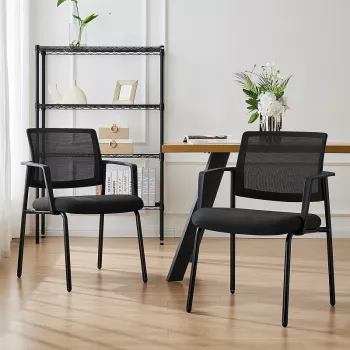

Hammered Clear Cup for Iced Coffee, Juice & Sparkle
Jun 10, 2026
Nordic Ceramic Plate Set: Bowl, Steak Plate & Dish
Jun 11, 2026










Leave a comment