-
Shop
- Adidas
- Advanced Technologies
- AI Skills Mastery 2026 Collection
- Best-Sellers
- Car Accessories
- Dating & Social Skills
- Digital Resources
- AI Skills
- Beauty
- Budgeting & Saving
- Car Buying & Ownership
- Cozy Feast Collection
- Electronics & Technology
- Entrepreneurship & Business Growth
- Financial Education
- Financial Independence
- Financial Mindset & Psychology
- Goal Setting
- Hobbies
- Home Styling & Organization
- Leadership
- Mindfulness
- Mindset
- Parenting & Child Development
- Personal Style & Fashion
- Pet Lifestyle & Wellness
- Positive Thinking
- Sleep Improvement
- Smart Life with AI
- Stress Management & Relaxation
- Travel Planning
- Yoga & Fitness
- Yoga & Mind-Body Practices
- Education & Learning
- Family & Parenting
- Fashion
- Furniture
- Gadgets
- Health & Beauty
- Health & Wellness
- Home & Garden
- Jewelry
- Kids & Babies
- Kitchen
- Kitchen Best-Sellers
- Nike
- Patio, Lawn & Garden
- Personal Growth
- Pet Care
- Pet Supplies
- Pets
- Sport & Outdoors
- Travel
- Wealth
- YouTube Shorts Best-Sellers
- Popular
- Best deals
Sports Confidence Checklist: Build Self-Belief Under Pressure
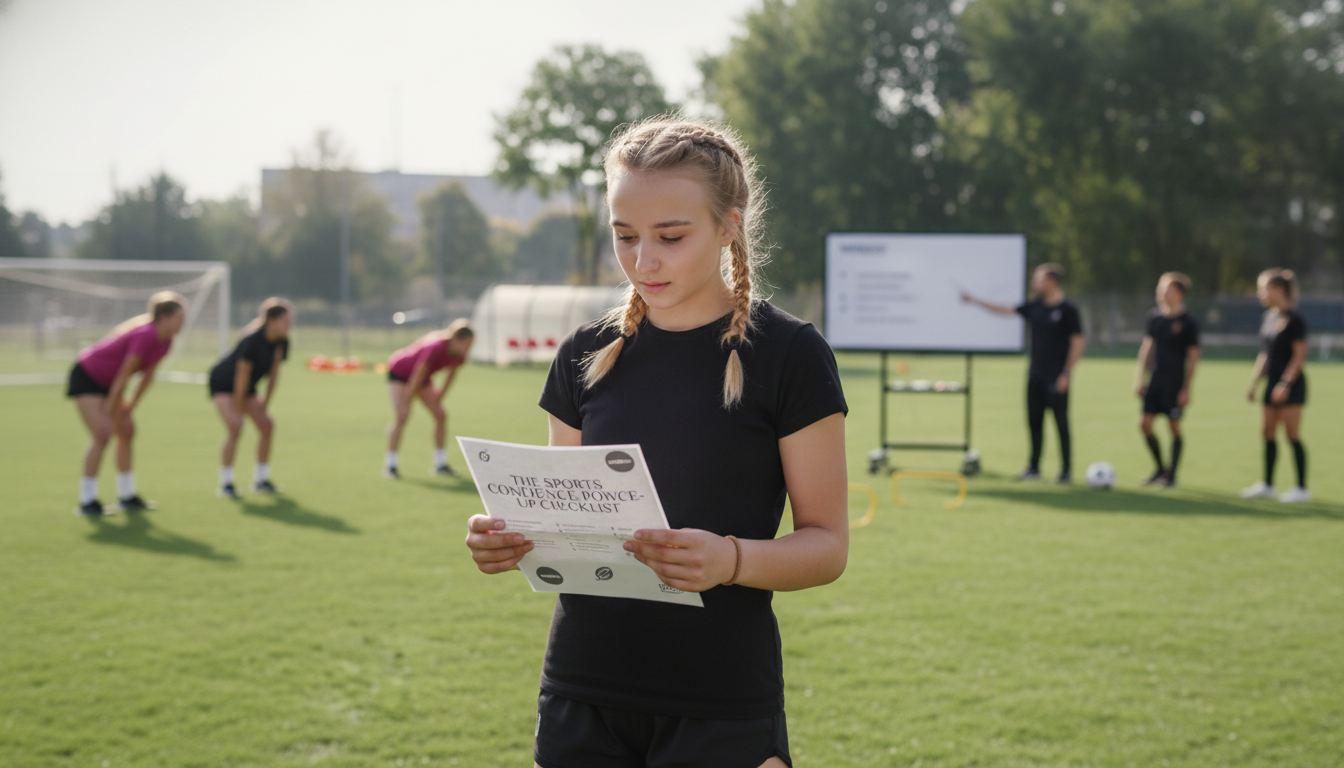
The Sports Confidence Power‑Up Checklist: Build Self‑Belief and Perform Under Pressure
Confidence in sport isn’t a personality trait reserved for a few—it’s a trainable set of habits that can be practiced before training, during competition, and after setbacks. The goal isn’t to “feel fearless.” It’s to stay effective when nerves show up, so your skills actually make it onto the field, court, track, or mat. Below is a practical breakdown of what steady confidence looks like, what quietly drains it, and how a simple printable checklist can turn mindset work into a repeatable routine you can trust.
What “sports confidence” actually is (and what it isn’t)
Sports confidence is the ability to commit to your actions under pressure. It’s not constant hype, and it doesn’t require perfect emotions.
- Confidence is a skill: acting effectively even when nerves show up.
- It comes from evidence: consistent preparation, small wins, and clear cues—not pep talks that fade fast.
- It’s specific: an athlete can feel confident in conditioning but shaky in clutch moments.
- It fluctuates: routines stabilize it so one mistake doesn’t derail the whole game.
That’s why simple mental habits—breathing, self-talk cues, visualization, and reset routines—work best when they’re practiced like any physical skill. Helpful background on self-talk and performance can be found through the American Psychological Association, and broader sport psychology resources are available via the Association for Applied Sport Psychology (AASP).
Common confidence leaks that hurt performance
Confidence often drops for predictable reasons—most of them subtle and fixable once you can spot them.
- Outcome fixation: judging the day by the scoreboard instead of controllables (effort, decisions, execution).
- All‑or‑nothing thinking: one error becomes “I’m terrible,” which narrows attention and increases tension.
- Comparison spirals: focusing on others’ strengths instead of your game plan and role.
- Unclear pre‑performance routine: warming up physically but not mentally (no cues, no plan for pressure).
- Negative self‑talk loops: repeating the same harsh script under stress until it feels true.
The solution isn’t “be positive.” It’s “be prepared”—with cues you can execute in real time.
The Power‑Up Checklist approach: small cues, big consistency
A checklist turns mindset into a sequence. Instead of guessing how to feel, you follow a process that makes confidence more reliable.
- Use a short checklist to reduce decision fatigue on game day and keep focus on controllables.
- Pair each item with a quick action (breath cue, phrase, visualization, reset routine).
- Track completion—not perfection—so confidence is built on follow‑through.
- Treat the checklist like training: review, adjust, and rehearse it during practice, not only competition.
Sample Sports Confidence Power‑Up Checklist (printable-friendly)
| Moment | Checklist item | Quick cue | Goal |
|---|---|---|---|
| Night before | Confirm logistics (gear, travel, schedule) | “Set it and forget it” | Lower stress and protect sleep |
| Warm‑up | Name 1–2 controllables for today | “Fast feet / strong finish” | Direct attention to execution |
| Warm‑up | 30–60s visualization of first plays | “See it—feel it” | Reduce start‑of‑game jitters |
| During | Reset after mistake (breath + body cue) | Inhale 4, exhale 6 + “Next” | Stop spirals; regain rhythm |
| During | Confidence reminder (evidence list) | “I’ve done this in training” | Rebuild belief with proof |
| After | 2 wins + 1 lesson review | “Keep / improve” | Turn performance into progress |
If you want a ready-to-use, structured version, the Sports Confidence Power‑Up Checklist printable is designed to be quick to follow and easy to rehearse in practice.
Build confidence before competition: the 10-minute routine
This routine is built to be short enough for real life and consistent enough to matter. The “power‑up” effect comes from repetition.
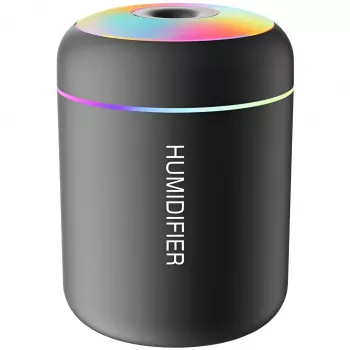
For athletes who sleep poorly before big events, setting up a calmer wind-down can also support confidence by improving recovery. A small comfort tool like the Mini USB Aroma Humidifier & Essential Oil Diffuser with Soft LED Light can help create a consistent pre-sleep environment that signals “downshift,” especially when traveling.
In-the-moment confidence: a reset routine for pressure and mistakes
After the game: turn outcomes into confidence fuel
If you like to review game film or create short visualization clips for the week, a simple setup can make that routine easier to maintain. For at-home review sessions, the Ultra Short Throw Projector 900 ANSI 8K 1080P with Auto Focus & WiFi 6 can support a consistent “watch, note, rehearse” process.
How to use the printable checklist effectively
Printable tool: Sports Confidence Power‑Up Checklist
A structured checklist is most effective when it’s used like a training plan: consistent, measurable, and adjustable. The Sports Confidence Power‑Up Checklist printable is designed to support athlete mindset, self-belief, and performance habits across individual and team sports, from youth athletes to adults. Pair it with one pre-performance routine and one reset cue, and you’ll have a complete “pressure plan” you can repeat.
FAQ
How can an athlete build confidence quickly before a game?
Use a tight routine: 3 slow breaths, pick 1–2 controllables for today, do a 30–60 second visualization of a strong start, and repeat one self-talk cue that matches your role. Confidence builds fastest when it’s linked to process and evidence from training.
What should athletes do after making a mistake in competition?
Run a quick reset: label it (“That was an error”), take one long exhale, use a short physical cue, choose the next controllable task, and recommit with a one-word phrase like “Next.” Keep it under 10 seconds so it works in real pressure.
Do confidence checklists work for young athletes?
Yes—simple cues reduce overwhelm. Keep the checklist shorter (3–5 items), use clear language, and rehearse it in practice with light parent or coach support so it feels automatic on game day.















Leave a comment